CCTV has become a familiar part of modern security setups. Many sites in Birmingham now rely on cameras as their main protective layer. They sit high on walls, cover doorways, and watch open car parks. Because of this constant presence, it is easy to believe cameras alone can stop crime. The truth is more complicated.
CCTV security services Birmingham can observe and alert when it notices an incident. Yet the footage does not act on its own. It does not move toward trouble or step in when someone needs help. Cameras work well as a first line of visibility. But they fall short when the situation demands quick judgment.
This is where trained security officers come in. They can interpret what the camera shows and respond at once. When both tools work together, the weaknesses fade and true prevention becomes possible.
Table of Contents
The Inherent Limitations of Unmanned CCTV Systems
CCTV is useful, but it has limits that become clear when a site depends on cameras alone. A lens only captures what falls within its angle. Blind spots remain, even in setups with dozens of cameras. A person who plans to cause harm often searches for these gaps. They know where shadows fall or where corners break the camera’s line of sight.
Another major issue is context. Cameras have no sense of emotion, intention, or unusual behaviour patterns. A person who walks in circles near a locked door could be confused. They can be waiting for someone or preparing to test the lock. To a camera, all three moments look the same.
CCTV also struggles when the environment changes. Rain, bright glare, or passing crowds can block the view. Technology does improve, but even advanced systems cannot decide what a threat is. They generate alerts based on movement, not meaning. This leads to misinterpretation and missed opportunities for prevention.
The Problem of Alert Fatigue and Delayed Post-Incident Review
Unmanned CCTV systems rely on automated alerts. These alerts activate when the camera sees motion or a heat signature. But when dozens of alerts fire each day, most of them harmless, real threats hide among the noise. Operators who review the footage later may find evidence of wrongdoing. But by then, the event has already finished. The delay turns CCTV into a tool for reviewing incidents.
Lacking Immediate Remedial Action and Legal Authority
Even if a camera detects suspicious behaviour, it cannot act. It cannot speak, question someone, or guide a person away from danger. It has no authority to intervene, and it cannot protect staff or property on its own. Without human support, CCTV remains a passive observer. It depends on others to bring the situation under control.
The Security Officer as a Proactive Deterrent and Dynamic Disrupter
Security officers add what cameras cannot: action, awareness, and impact. Their presence changes how people behave. A visible officer walking a perimeter or standing at an entrance sends a strong signal. It tells everyone that the space is monitored not by cameras but by someone who can step in. The small act of visibility becomes a powerful deterrent.
Officers also bring situational intelligence. They notice details that machines overlook, like nervous behaviour or unusual pacing. They can follow their instincts, ask questions, and take steps to stop an incident. In many settings, these actions prevent larger problems. A calm conversation, a quick check of a door, or a firm request for identification can shift into a safe one.
Completing the OODA Loop: Observation, Orientation, Decision, Act
CCTV handles the first part of the OODA loop. The rest requires human skill. Security officers interpret what they see. They decide what needs to happen, and act within seconds. This helps them stay ahead of threats. Cameras feed information, but officers complete the cycle that leads to effective prevention.
Recognising Pre-Incident Indicators That Technology Misses
Many threats show early warning signs. Someone may loiter near a restricted door, test a handle, or hide their hands in a nervous way. Cameras do not understand these signals. Officers do. They learn how to read body language, identify incident cues, and respond before a change. This proactive approach makes officers essential in real-world environments.
Achieving Superior Security Through Synergy: Monitoring and Response
True security comes from combining the strengths of technology with trained personnel. CCTV security services Birmingham offer vision across wide areas. Officers bring presence, decision-making, and movement. When paired well, this creates a layered, resilient defence.
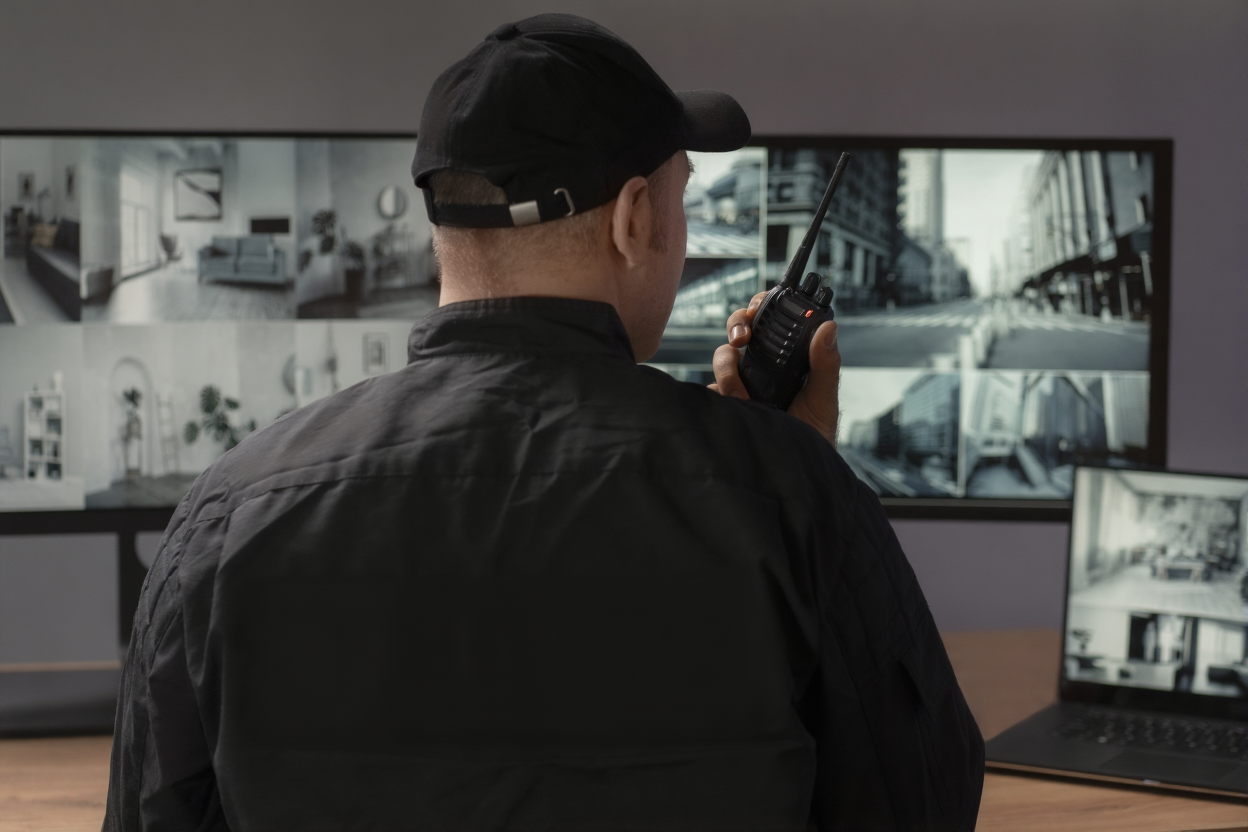
In many facilities, cameras help officers track large spaces from a control room. They can track activity and guide teams toward special areas. The effectiveness of CCTV increases because officers can act on what they see. This happens instead of reviewing videos long after the fact. This real-time link changes CCTV into part of a coordinated response.
Verification and Prioritisation: The Role of the Camera as a Vetting Tool
When a camera detects unusual activity, officers verify it as real. This reduces wasted time and energy. A single glance may confirm that a shadow triggered the alert or it is a restricted entry. By sorting the alerts, officers ensure they respond to the most urgent risks first.
Guided Intervention: CCTV security services Birmingham for the Officer’s
CCTV also guides officers during active situations. Control-room staff can track a suspect’s movement. It also tracks relay instructions to officers on the ground. This teamwork creates a coordinated response. Cameras act as the eyes, offering a wider view.
Beyond Crime: Handling Holistic Safety, Health, and Emergency Scenarios
Security officers often handle more than crime prevention. They respond to medical emergencies, fires, lost individuals, and unexpected hazards. CCTV helps locate the issue fast, but only people can provide support, comfort, or first aid. This holistic role demonstrates the importance of trained officers when safety extends.
Human Surveillance vs. CCTV Cameras: The Value of Judgment
AI and modern cameras continue to grow more advanced. But they cannot replace human judgment. They cannot understand tone, fear, anger, or hesitation. They do not build calm tense situations.
Human officers bring empathy, communication skills, and the ability to de-escalate. They decide when a situation is safe to approach. This judgment protects people and prevents misunderstandings. Technology cannot match the intuition and flexibility that officers apply every day.
Conclusion: Moving Your Security Strategy from Documentation to Disruption
Relying on CCTV alone leaves your site exposed. Footage shows what happened, but it does not stop the moment from unfolding. Trained security officers work along with CCTV security services Birmingham for protection.
Your security strategy becomes active. It shifts from watching events to intervening early. If you want a safer environment, consider services that blend technology and skills. Get in touch to create a safer and more resilient property.