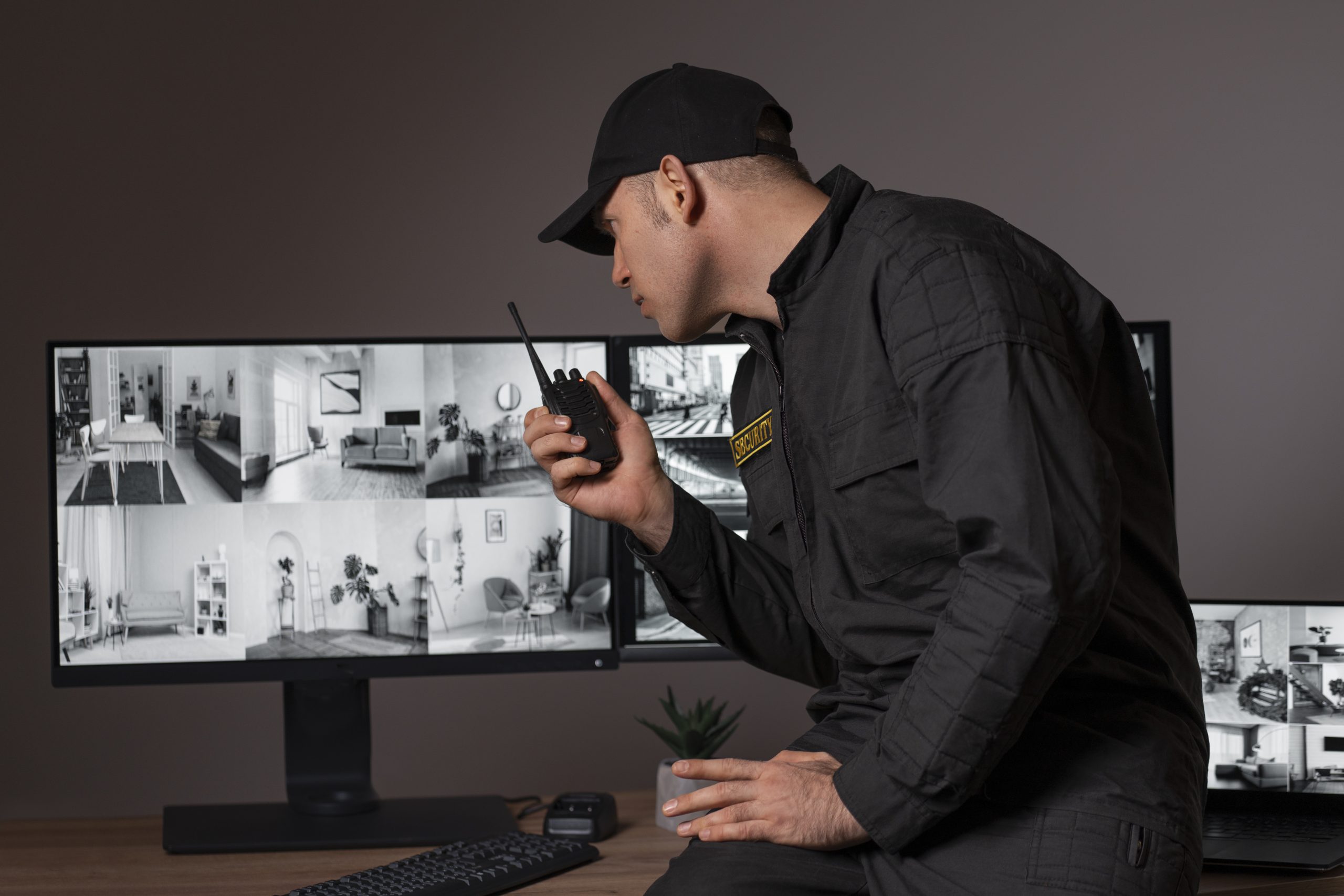
A single moment can decide whether a threat stays small or becomes a costly event. Human operators work hard, but can miss things when shifts run long. After hours of watching camera feeds, the mind slips into autopilot. Essential details, tiny movements, unusual behaviour, unexpected access, fade into the background.
Traditional monitoring depends on full attention all day, every day. That is a tough expectation. When operators struggle to keep up, incident response time slows. Delayed decisions lead to late interventions and gaps that criminals can exploit.
This reality is why more organisations lean towards CCTV monitoring response Birmingham. They need tools that do not lose focus and do not miss critical moments. Automated systems fill that gap by lifting only the relevant events to the surface. This gives the teams the time to intervene early.
Table of Contents
The Power of Real-Time CCTV monitoring response Birmingham Alerts
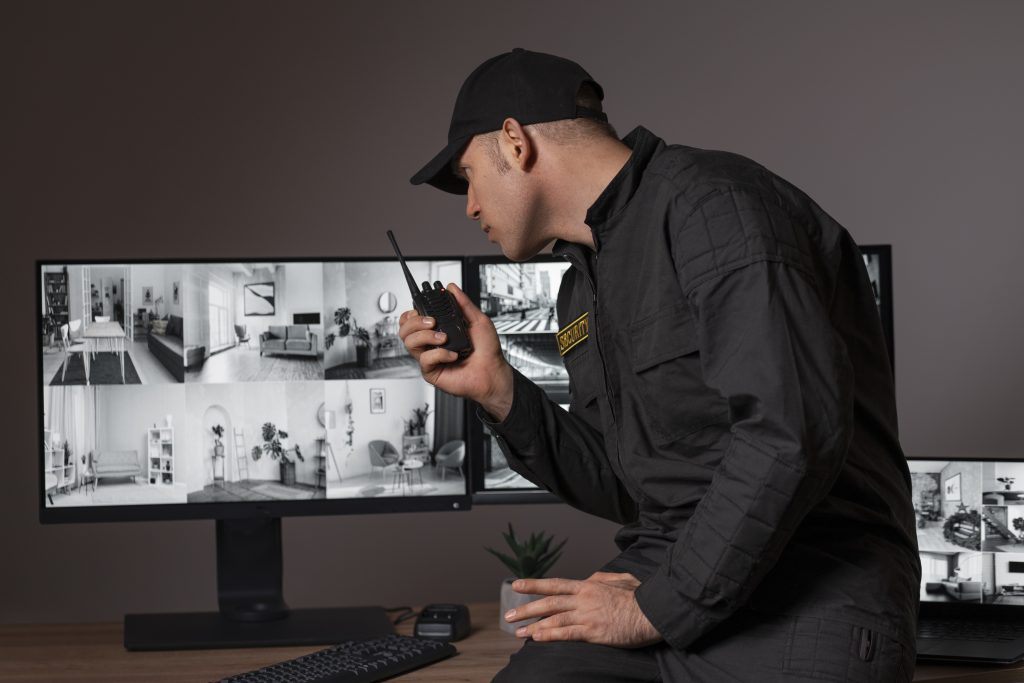
CCTV once acted as a recorder. Footage was useful, but only after something had gone wrong. Security teams spent hours reviewing clips rather than stopping threats in real time. That model no longer matches the pace or complexity of modern sites.
With AI-driven surveillance, the shift is dramatic. Instead of waiting for a human to spot it, the system detects unusual behaviour in real time. Deep Learning models scan every frame. Computer Vision helps to interpret shapes, movements, and patterns. These tools work and do not rely on guesswork.
The result is real-time CCTV alerts that trigger almost instantly. AI captures subtle details, such as direction, prolonged presence, or restricted access events. This creates a proactive posture where threats are flagged the second they emerge.
The technology behind this speed is often layered. Modern systems combine object detection, behaviour profiling, and scene understanding. Together, they reduce noise and create clearer, sharper insights. Security teams receive short alert clips instead of long streams. It enables them to improve surveillance response with greater confidence.
Distinguishing Threat from Noise: The Deep Learning Advantage
Earlier systems struggled to tell a threat from random movement. A stray cat or a gust of wind could trigger alarms, and operators learned to ignore many of them. AI changes this. Deep Learning models understand context. They can tell the difference between a person who pauses and one who loiters with intent.
This context-aware approach reduces false alarms and focuses attention on actual threats. Teams get fewer interruptions but more meaningful alerts. It’s easier to respond fast when you trust that each alert deserves attention. This is one of the clearest steps toward improving surveillance response at scale.
Automating the Security Workflow: The Pathway to Optimisation
When an incident begins, information moves through a chain. A system detects the event. An operator verifies it. A team responds. Without automation, each handover takes time. AI changes the rhythm of this process by creating a smoother flow from alert to action.
In an AI-supported workflow, an alert reaches the security team packaged with context. Instead of searching through feeds, the operator gets the exact location. The operator also receives the threat score. This starts the response clock earlier and cuts hesitation. Systems built with security workflow automation can perform without waiting for human input.
From there, the process grows more efficient. Audio warnings activate. Site lights can flash to deter intruders. Access points can lock themselves. Staff receive notifications through radios or mobile apps without manual dispatch. These moments matter because every layer of automation shortens the timeline. It reduces the exposure and boosts readiness.
From Detection to Deterrence: The Automated Playbook
Imagine a distribution centre on the edge of Birmingham. Late at night, a person approaches the fence. The system spots the movement, notes the direction, and identifies a potential intrusion. This is not an ordinary passerby. The behaviour matches known patterns of a security risk.
Before the operator even reacts, the system may begin its automated playbook:
- Detect unusual behaviour at the perimeter.
- Track the individual’s movement across camera zones.
- Trigger an audio warning, stating the area is restricted.
- Escalate to the control room with a clipped video segment.
- Notify onsite personnel through connected devices.
A sequence like this helps shift from detection to deterrence within seconds. Operators remain in control. But automation removes the manual steps that once delayed the process. This is practical security operations optimisation in action.
Prioritising Threats: Mean Time to Resolution (MTTR)
MTTR measures how long it takes to detect, verify, and resolve an event. In a modern setup, reducing MTTR is a core goal. AI-driven workflows cut down waiting time at each stage. The system packages the information first and ranks the severity. It then channels the alert to the right people.
With clearer cues and fewer false alarms, teams spend less time. It then sorts through noise and spends more time responding. This shorter MTTR shows a direct improvement in security workflow automation. It plays a significant role in improving surveillance response across complex sites.
A Focus on the City: Superior CCTV Monitoring Response Birmingham
Birmingham is a diverse region with environments that change from street to street. Corporate offices, manufacturing hubs, retail districts, and logistics corridors all rely on surveillance. Each site carries different risks. Each needs tailored monitoring.
Fast, reliable alerts are essential here. Many organisations operate in many locations across the city. Slow responses can create blind spots. It happens where foot traffic, vehicle movement, and nighttime activity vary. This complexity increases the value of improved CCTV monitoring response Birmingham. This lets the team stay ahead of both predictable risks and sudden disruptions.
Real-time AI systems offer a more stable foundation. They help operators move between different environments without losing sight of priority events. The outcome is a more resilient network of sites protected by consistent vigilance.
Navigating Birmingham’s Diverse Security Landscape
Birmingham has a unique blend of commercial centres, industrial estates, and populated areas. Each location produces a different pattern of activity. It’s not easy for operators to spot every anomaly in this mix. AI helps absorb that complexity. By learning standard behaviour for each type of site, the system highlights a unique one. If it is an unexpected delivery vehicle or suspicious movement, teams give clarity.
ARC Integration: Verified Alerts for Faster Police Dispatch
Alarm Receiving Centres (ARCs) depend on accuracy. When they receive too many false alarms, dispatch can slow down. Verified alerts solve this. AI pre-screens incidents before they reach the ARC, giving staff evidence and justification.
This leads to:
- Faster prioritisation
- Higher confidence when contacting the police
- The ability to manage more sites without added pressure
For organisations that rely on incident response time, integration makes an operational difference.
The Executive View: ROI and Strategic Security Operations Optimisation
For directors and senior managers, the conversation goes beyond technology. It’s about return on investment, business stability, and long-term resilience. Faster detection reduces losses. Automated workflows cut manual effort. Smart systems lower the chances of costly incidents.
Security operations optimisation also helps control staffing pressures. Teams can focus on the real threats without drowning in low-priority alerts. AI allows organisations to scale monitoring without always needing more personnel.
The financial case grows stronger. This happens when you lessen downtime, disruptions, and better use of existing resources.
Beyond Loss Prevention: Investing in Human Capital
Human operators remain essential. AI doesn’t replace their judgement. It supports them. It reduces burnout by filtering noise and handling routine tasks. Staff can focus on complex decisions instead of constant manual scanning.
This improves job satisfaction and retention. It matters in an industry where turnover can be a challenge. It is another way AI contributes to improving surveillance response. This happens while lifting the performance of the security team.
Conclusion: Your Next Step to a Proactive Security Posture
AI-powered systems give organisations in Birmingham a reliable way to protect their sites. With real-time CCTV alerts, teams can react before threats escalate. It happens with automated workflows and strong integration with ARC processes.
Now is the time to explore what AI-driven surveillance can deliver. Suppose your goal is safer business, CCTV monitoring response Birmingham is ideal.