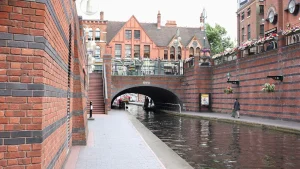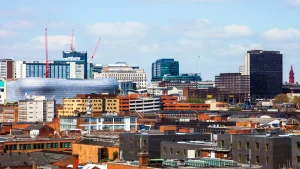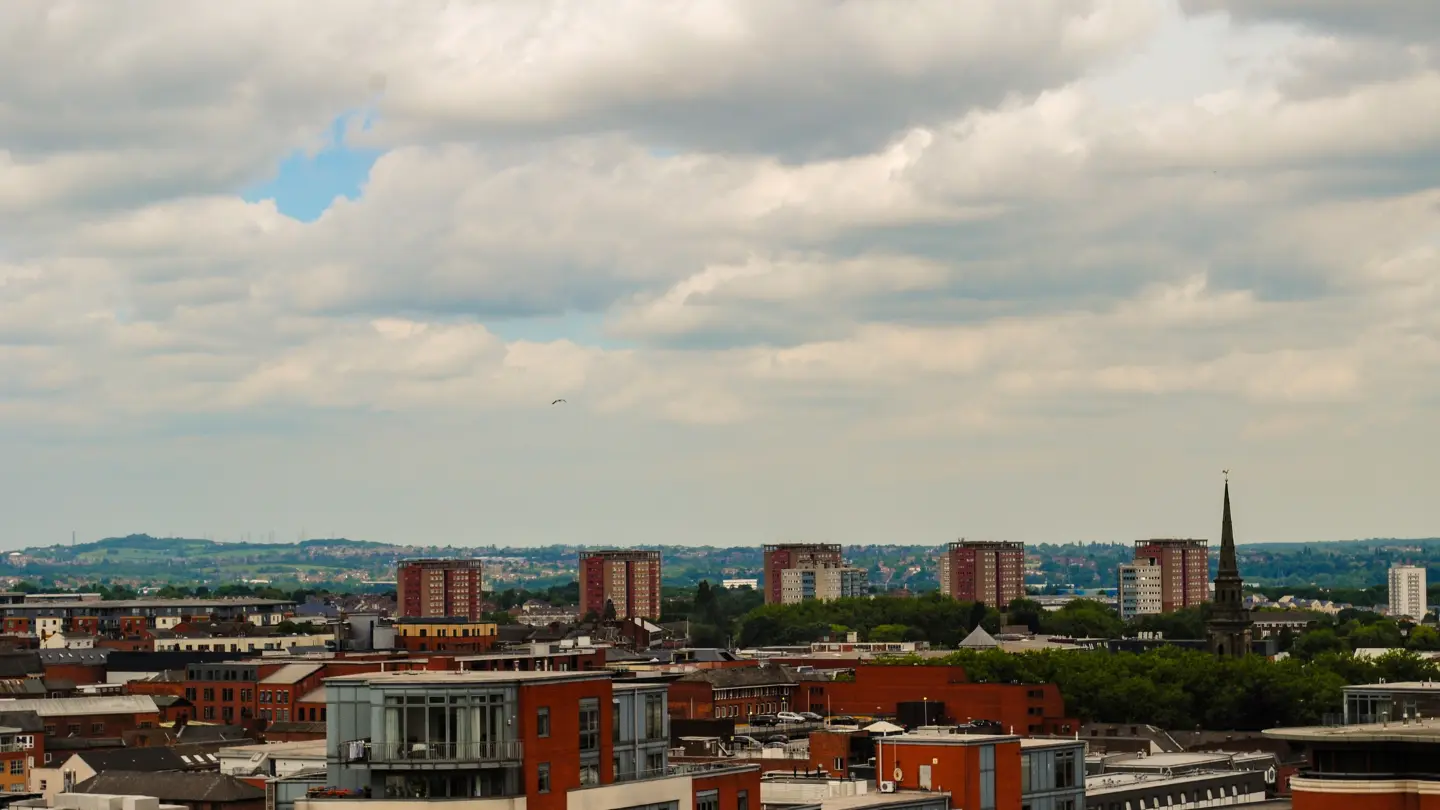
Birmingham is changing fast. New projects under the Big City Plan have reshaped parts of the centre. It has pushed growth into old industrial pockets. Areas such as Digbeth and the Gun Quarter are full of new shops, homes and tech hubs. These changes bring more people and more targets.
Where once a single guarded gate was enough, now layered risk sits behind shiny facades. Crowd flows meet logistics yards. SIA licensing still matters because it is the base. But modern sites need officers who can read behaviour and plan for incidents ahead of time.
The multi-disciplinary officer now blends people skills and tools. They patrol and analyse. They also tend to check digital feeds and test access logs. Security officer training Birmingham aims to make them flexible.
Table of Contents
Mastering the Urban Grid: High-Density Security Challenges
Behavioural Detection and “Social Scouting” Protocols
Busy spots like New Street station and the Bullring are crowded and noisy. A small change in how people walk or look can mean trouble. Training teaches officers to spot those cues. These are not guesses. They are patterns: repeated glances, loose coordination between small groups, or staged distractions. The goal is early action. Stop a theft before it starts. Calm a tension before it grows.
Retail crime groups use tactics that look normal at first. They film shop floors. They use lookouts near exits. The time moves to the busiest minutes. Security staff must notice the odd rhythm. Social scouting trains officers to blend in and to read micro-signals. It trains them to report clearly and fast, so police and loss-prevention teams can act.
Navigating Martyn’s Law and Public Space Protection
New rules now ask venues and sites to plan for terror risks. Martyn’s Law requires many public places to have plans and protective measures. For event managers and venue staff, this is a real change. Officers must know the law and how it affects crowds, door control, and emergency paths.
Zone-based protection works well in open squares. It splits a large area into smaller, managed zones. Each zone has a watcher, a camera view, and a plan for flow. Centenary Square, for example, becomes easier to manage when teams think in zones. People still enjoy the space.
Advanced De-escalation for Public Safety and Urban Policing
A loud argument in a crowd can spiral fast. Training now puts heavy weight on words and posture. Officers use short, clear phrases, set boundaries and redirect energy. The aim is to cool the moment. Use a calm voice and change focus.
This work often happens with the West Midlands Police. Citywide incidents need a shared rhythm. Security staff act as the eyes and early hands, while WMP takes the lead on serious crimes. Good channels make all the difference when a large event tips toward disorder. This happens through proper channelling of urban security challenges.
Fortifying the Industrial Engine: Beyond the Perimeter Fence
Industrial Security Management For Security Officer Training Birmingham
Industry in and around Birmingham is not what it used to be. Old factories now hold high-tech labs, warehousing for online firms, and data centres. This shift calls for deeper strategies. Retail security is a layered system. It begins outside and runs deep inside.
Industrial security management covers interior sensors and logical access controls. It helps to know the thoughts of intruders. Drill teams test weak doors, review delivery windows, and probe shift patterns. Officers learn the interior patrol routing and how sensors feed into command. They also learn how to coordinate with technical staff.
Security Protocols for Industrial Sites: Protecting Critical Infrastructure
Material theft is still a big problem. Copper and cable takeovers are common, and they damage services and cost firms a lot. Officers train on physical deterrents. It covers smart lighting, secure storage, and acoustic sensors that detect cutting sounds. They also learn to plan patrols so that thieves find no easy patterns.
Logistics hubs near the Midlands form a dense network of supply lines. Golden Logistics Triangle puts many goods within a short drive of most of the UK. That convenience attracts criminals as well as customers. Security protocols for industrial sites include yard layout, escorting high-value loads, and digital checks. Quick ID checks and layered CCTV prevent most theft before it starts.
Cyber-Physical Integration and Remote Surveillance
Edges blur now: physical fences meet cloud services. Edge data centres and small compute hubs sit on industrial estates. They hold critical data and local compute power. Firms in Birmingham have opened such facilities. Security staff must guard both the building and its networked heartbeat. Training includes understanding the basics of edge infrastructure. And also how physical breaches can lead to data loss.
AI-driven CCTV helps. It flags odd motion and filters wildlife from people. But tech is a tool, not a replacement. Officers still verify alerts. They check camera angles. They read patterns in data and act on real signals, not noise. That mix, human judgment with machine speed, is the modern standard.
Readiness in Crisis: Emergency Security Officer Training Birmingham for Localised Threats
Tactical Medical Response in Urban Environments
Serious injury can happen in a nightclub, on a building site, or in a delivery yard. Officers get emergency response training for catastrophic bleed control. They learn to apply direct pressure, pack wounds, and use tourniquets. That care can buy time until ambulance crews arrive.
In a congested city, every minute counts. Officers become the bridge in the golden hour. They stabilise, secure a perimeter, and call for the right help. This role saves lives and reduces chaos. It tends to reduce the urban security challenges.
Disaster Recovery and Business Continuity Planning
An industrial spill or a local power cut can stop business in its tracks. Security officer training Birmingham goes beyond first aid. Officers run evacuation drills and evacuation tests. They practice guiding staff to safe zones and keeping vital systems running. They also run tabletop exercises that simulate chemical leaks or long-term outages. These simulations reveal weak links before trouble hits.
The Future-Ready Officer: Local Intelligence and Tech Synergy
Community Engagement as a Security Tool
Security is easier when you know the people around you. Officers who build links with residents and small businesses gain early warnings. Community reporting can flag strange vans, new break patterns, or unusual work times. These tips are gold. They are low-cost and high-value.
On industrial edges, a formal Community Watch program helps. It connects sites with nearby homes and shifts the culture from fear to partnership. When people feel heard, they share more. That leads to fewer false alarms and better, targeted patrols.
Data-Driven Guarding: The 2026 Tech Stack
The tools in use now include thermal drones for wide sweeps. At the access points, Handheld biometric scanners will be helpful. Training shows how to use them well and when not to use them. Too many alerts create “alarm fatigue.” Officers learn to tune thresholds and to use analytics that reduce chatter.
Analytical training helps teams prioritise. A well-trained team tracks true threats and ignores harmless events. That keeps staff sharp and systems useful.
Conclusion: Securing Birmingham’s Growth
Birmingham’s growth is real. It creates wealth, jobs and life. It also changes what it means to protect a place. Professional security officer training Birmingham is the answer. It turns watchmen into multi-skilled officers. It brings law, tech, medicine, and community sense into one role.
Good training cuts losses, speeds recovery, and protects people. It is an investment, not a cost. In 2026 and beyond, the best return is a city that grows safe and smart. Security that acts up front lets business and culture thrive. That is the point of learning well. It lets to keep the city open and alive.
Frequently Asked Questions
What is security officer training in Birmingham?
It is a professional program designed to prepare officers for urban and industrial security challenges. Training covers behavioural detection, crisis response, and collaboration with local authorities.
Why is specialised training necessary for urban areas like Birmingham?
Urban areas have high-density footfall, nightlife hubs, and public events that require advanced monitoring and assessment. Officers must manage crowds, organised crime, and implement proactive security measures.
How does training help officers in the industrial and logistics sectors?
Officers learn to protect high-value assets, supply chains, and industrial equipment from theft. Training includes deep-defence strategies, sensor monitoring, and coordination with tech systems.
What role does technology play in modern security officer training?
Officers are trained to use AI-driven CCTV, drones, and biometric scanners. Technology helps reduce false alarms, analyse patterns, and respond quickly to real threats.
How do officers handle emergencies and crisis situations?
Training includes tactical medical response, evacuation protocols, and lockdown procedures for urban and industrial incidents. Officers coordinate with emergency services and local police to ensure safety.