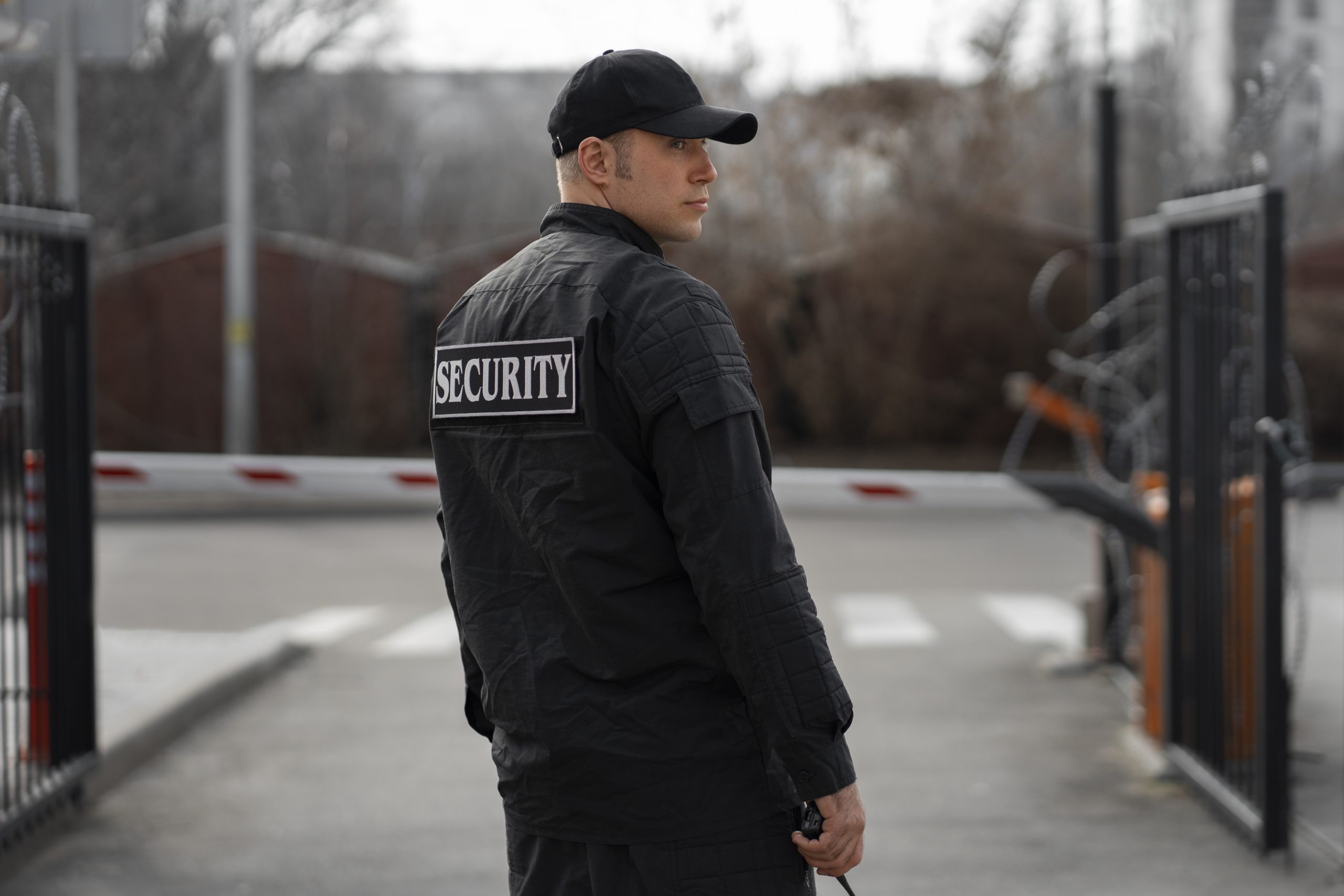
Security teams often face moments when danger rises fast, and clear thinking feels hard to reach. Yet the mind holds quiet triggers that can guide action when threats break in.
This blog looks at those mental cues and how they help defenders stay alert, calm, and ready. You will see how experts shape quick choices, steady focus, and strong teamwork in high-pressure scenes.
We will also cover Birmingham psychological triggers for threat response, showing how local research adds fresh insight. With these ideas, your team can turn stress into sharp, steady judgment.
Table of Contents
Understanding Birmingham Psychological Triggers for Threat Response
What Psychological Triggers Mean in Security Work
Psychological triggers are mental cues that spark awareness or action. They shape how a security officer notices small shifts, reads behaviour, and steadies their thoughts during tense moments.
In security roles, these cues support clear judgment. They help teams stay alert without slipping into panic. When responders learn how these triggers work, they gain a sharper sense of the scene and a stronger ability to act with purpose.
Why Birmingham’s Environment Shapes These Triggers
Birmingham’s mix of busy transport routes, active nightlife, and dense public spaces creates a fast, uneven rhythm. Crowds build quickly. Patterns change without warning. Each area places different demands on a responder’s attention.
Studies show that the city’s transport hubs handle millions of passenger movements each year, which raises the need for constant situational awareness.
These shifting conditions influence how behavioural triggers in threat response show up. Teams must read the space, adjust their pace, and match their approach to the environment they stand in.
Key Psychological Mechanisms That Shape Effective Security Responses
Situational Awareness and Rapid Cognitive Processing
Security teams read a threat fast. They watch for shifts in movement, tone, or behaviour. They sort details in the moment and judge what matters.
Their choices hinge on cognitive factors affecting team decisions, which guide attention and recall. When too much information hits at once, the mind slows. Small cues slip past. A team may act late or move in the wrong direction.
Clear training helps them stay calm, track the scene, and cut through noise. This skill often separates a strong response from a risky one.
Stress Adaptation and Fight-or-Flight Conditioning
Stress hits the body like a switch. Heart rate jumps. Focus sharpens. Muscles brace for action. This instinct can help or hinder. Without practice, teams may freeze or rush.
Good programs use psychological drivers of rapid threat reaction to build steady habits. Drills repeat core steps until they feel natural.
The mind begins to treat stress as a prompt rather than a threat. This reduces hesitation and keeps actions consistent during high-pressure events. Skilled security teams learn to let stress work for them, not against them.
Guidance from the UK National Protective Security Authority emphasises strong situational awareness and detection skills. This helps security personnel spot early cues of a threat and respond effectively.
Emotional and Behavioural Triggers That Guide Real-Time Decisions
Emotions shape decisions in ways many do not notice. Fear boosts awareness but can narrow thinking. Adrenaline pushes speed but may blur judgment. These emotional responses influencing threat handling create fast shifts in behaviour.
Overconfidence can also steer someone away from protocol. Many behavioural triggers in threat response grow from past events, learned habits, and cues in the environment.
A familiar sound, layout, or pattern can nudge a responder toward a certain action. When teams study these triggers, they gain control over their reactions and build safer, sharper practices.
Team Dynamics: How Security Teams Work Under High Pressure
Communication Patterns in High-Stress Scenarios
Fast communication can stop a situation from growing worse. Short messages help the team stay aligned and avoid confusion.
Under stress, even a small pause in sharing new details can shift the whole response.
Non-verbal cues also guide action. A steady tone can calm the group. Sharp gestures or tight posture may spark tension. Teams that learn to read these signs move with greater control and fewer errors.
Shared Mental Models and Group Coordination
Teams work best when everyone sees the task in the same way. A shared mental map cuts delays because each member already knows their role and the order of steps. This becomes vital when time is short.
Strong leaders shape team behaviour under high-pressure situations by offering clear direction and steady judgment.
Their guidance keeps the group focused when the pace picks up or when the scene changes without warning.
Cognitive Biases Within Teams
Bias can slip into quick decisions. Overconfidence may push someone to act without checking the facts. Normalcy bias can make a threat seem smaller than it is. Assumption bias may lead a team to pursue an untested idea. These habits can weaken judgment.
Bias-awareness training helps teams spot the issue and protect the cognitive factors affecting team decisions. When security learns to question fast assumptions, they improve accuracy and support safer choices during tense moments.
Training Methods That Enhance Psychological Readiness in Security Teams
Scenario-Based Training and Realistic Simulations
Security teams in Birmingham often use advanced simulations to recreate tense moments. These setups include noise, movement, and shifting conditions that force quick thinking.
Working inside these scenes helps responders adjust to uncertainty. Each run builds confidence and smoother emotional control. They learn how to stay steady while judging fast-moving details. This practice sharpens instinct and prepares the team for unpredictable events.
Cognitive Conditioning Techniques
Cognitive conditioning strengthens the mental tools needed for fast action. Memory drills keep key steps fresh in the mind. Threat-recognition exercises help responders spot patterns with little delay. Perceptual training improves attention to small cues that might signal danger.
These methods reduce hesitation because the brain learns to process information with less effort. Better focus leads to clearer choices, even during sudden shifts.
Emotional Intelligence Development
Emotional intelligence guides how responders handle internal pressure. Training begins with noticing how stress feels in the body. When responders sense the change early, they can reset before emotion affects judgment.
Teams also learn how to connect with civilians during tense moments. Empathy helps them read fear, calm the scene, and avoid unnecessary conflict. This blend of awareness and control supports safer interactions and more measured decisions.
Conclusion
Psychological insight is vital in modern security work. It helps teams stay focused, judge risk, and act with control. In Birmingham’s fast-changing settings, understanding behavioural, emotional, and cognitive triggers gives responders a stronger edge.
Ongoing psychological training reduces mistakes and supports safer outcomes. Organisations that treat mental readiness as equal to physical skill build teams that respond with clarity, balance, and confidence when pressure rises.
Frequently Asked Questions
1. What are psychological triggers in security threat response?
They are mental signals that shape how a responder notices warning signs, shifts attention, and prepares to act during tense situations.
2. Why are psychological triggers important for Birmingham security teams?
The city’s fast movement, crowded zones, and mixed environments demand sharp awareness. These triggers help teams read behaviour and respond with steadier judgment.
3. How do emotions affect threat handling?
Emotions can sharpen focus or distort thinking. When controlled, they support clear decisions. When unchecked, they may lead to rushed or unsafe actions.
4. What training improves psychological readiness?
Scenario drills, perception exercises, and emotional control training build stronger focus and smoother decision-making under pressure.
5. How does team communication support psychological performance?
Clear, calm communication helps responders share vital details quickly, reduce confusion, and maintain collective awareness during tense events.