Loading bays are the heartbeat of every warehouse. They’re busy, noisy, and a little unpredictable on most days. When several vehicles roll in at once or a rush shipment throws the whole rhythm off, risks rise fast.
Many warehouse managers know this well. In places where movement never seems to stop, including big logistics zones where loading bay security Birmingham standards have grown stricter, making these spaces safer is no small task. Industry data suggests that loading bays account for nearly 30% of all warehouse thefts, highlighting why dedicated security in these areas is increasingly critical.
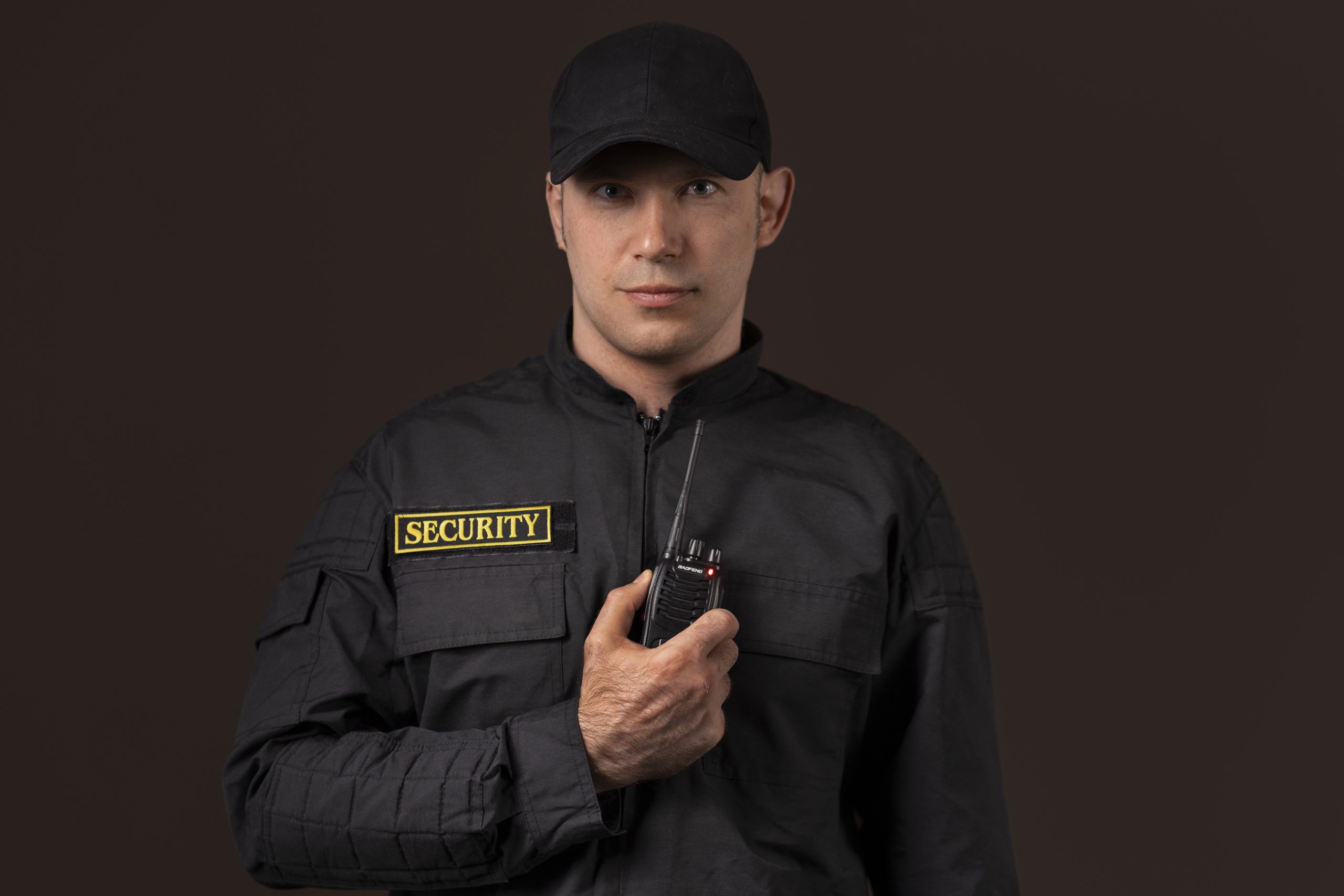
That’s where trained security teams become impossible to ignore. The role of a dedicated loading bay security Birmingham becomes not just valuable, but indispensable.
Table of Contents

Understanding High-Risk Loading Bays and Transport Zones
Why These Areas Carry Elevated Safety Risks
Walk into a loading bay at peak hour, and the danger doesn’t whisper. It jumps straight at you. A van noses in at an odd angle. Someone tries to wave down a forklift that’s already committed to its turn. Pallets sit half-broken on the ground like they’ve given up on the day.
And over by the ramp, a driver stops to shuffle paperwork, blissfully unaware of the lorry easing backwards behind him. If you’ve ever stood there long enough, you know the feeling: controlled chaos, but with the emphasis shifting depending on the minute.
Blind spots? They multiply when no one’s looking. A corner that seemed harmless at sunrise becomes a shadowed pocket by noon. Stacked goods create little walls that hide movement until the last second. Trailers park where they shouldn’t.
Add manual loading to the mix, hands rushing, feet darting, everyone trying to shave seconds off the clock, and the margin for error thins to almost nothing. One distraction, one misjudged step, and the entire rhythm can tilt in a heartbeat.
Key Threats Commonly Reported in Warehousing
Beyond the physical risks, several operational threats are common in these zones:
- Goods can disappear quickly when doors are open, and oversight is thin.
- Trespassers may take advantage of quiet hours.
- Drivers sometimes clash over queue order, priority, or delays.
- Congestion builds when vehicles arrive out of sync.
- Access control falters if too many people move through without checks.
Together, these threats shape an environment that demands structure, awareness, and skilled supervision.
The Importance of Loading Bay Security Birmingham
Regional Factors Influencing Security Needs
In large industrial regions, activity doesn’t slow down. Distribution networks pull in trucks from early morning to late evening. The sheer flow of goods raises expectations for order, speed, and safety. Busy transport estates bring in contractors, third-party drivers, and new agency staff every week. It’s difficult to maintain consistency without a solid watch.
Common Security Challenges in Urban Logistics Zones
Urban warehouse zones face their own patterns. Space is tighter. Parking runs short. Drivers arrive early, late, and sometimes without warning. Schedules overlap. Deliveries collide with collections. Security teams step in to restore balance when these conditions make operations messy or tense.
How Security Teams Strengthen Safety in High-Risk Loading Bays and Transport Zones
If there’s one thing experienced security officers bring to a loading bay, it’s an ability to read the room, or in this case, the yard. They notice pacing, movement, hesitations, and the subtle cues that hint something is about to go wrong. Their work isn’t only procedural; it’s observational, responsive, and grounded in real-time awareness.
Professional Risk Assessment and Real-Time Monitoring
Before the first truck even enters the site, officers walk the area. It may sound routine, but a simple five-minute sweep exposes issues that warehouse teams might miss in a rush. A blocked walkway. A leaking container. A pallet leaning at the wrong angle.
Security officers catch it early and report it before the day builds momentum. In high-risk bays, CCTV does more than record events. Officers watch feeds tuned to blind spots and docking lanes, scanning for odd behaviour or unsafe manoeuvres.
A forklift is darting out too fast. A driver ignores markings. A trailer is edging too close to a pedestrian zone. Real-time responses prevent injuries more often than people realise.
Traffic Management and Vehicle Coordination
Traffic control is one of the most visible roles of on-site security. They’re the ones guiding HGVs into bays with hand signals. They’re the ones stepping in when two vans claim the same space. When movement grows frantic, officers restore order by slowing the process just enough to make it safe.
They also align vehicles properly, reducing the risk of collisions or misdocked trailers. When schedules tighten, they coordinate timed arrivals so drivers don’t pile up at the entrance. This isn’t just about safety; it calms driver frustration and keeps operations moving.
Access Control and Verification Systems
A surprising amount of confusion comes from unclear access rules. A contractor arrives with paperwork that doesn’t match the load. Another driver claims he’s early because he “had no choice.” Someone unknown wanders the bay looking for “the guy with the clipboard.”
Security officers check IDs, delivery notes, and credentials before anyone steps onto the floor. They separate authorised staff from curious visitors. They log vehicle entries so managers have a clear record of what came in and when. Without this gatekeeping, loading bays feel more like open car parks than controlled industrial zones.
Conflict Prevention and Incident Response
Loading bays have a particular energy. Drivers sit for long hours. Delays frustrate them. Miscommunications spark disputes. Security officers often end up as neutral mediators. They step in to keep voices down, explain the order of operations, and prevent arguments from derailing the schedule.
When incidents do happen, a spill, an injury, or a mechanical issue, security teams respond fast. Their training helps them stabilise the scene while alerting the right supervisors. Sometimes it’s a small action, like steering pedestrians away from a toppled pallet. Other times it’s a serious incident requiring calm, structured coordination.
Theft Prevention and Asset Protection
Loading bays attract attention. A single moment of distraction is often enough for someone to slip into a trailer or vanish with a box. Security teams watch these exchange points closely.
They monitor high-value zones, prevent tailgating behind authorised vehicles, and secure restricted areas that should never be left open. Their presence alone discourages opportunistic theft. Beyond that, the logs and visibility reports they produce help managers trace discrepancies in stock movements.
Enhancing Worker Compliance and Safety Culture
Even safety-conscious teams occasionally drift from guidelines. Helmets forgotten. High-vis gear left in lockers. People cut across active lanes to save a few steps.
Security officers become the steady reminder that rules matter. They don’t need to lecture; a simple gesture or brief intervention often does the job. Over time, workers begin to expect and mirror this consistency.
During surges in activity, officers support warehouse supervisors by keeping lanes clear and nudging teams to follow one-way traffic flows. Their influence shapes a safety culture that outlasts any single shift.
Collaboration with Warehouse Managers and Drivers
Security teams don’t work in isolation. They talk with managers, compare notes, and attend briefings to stay aligned with the day’s priorities. They flag past incidents that could repeat and highlight new risks spotted during patrols.
Drivers also benefit from this communication. Officers explain site rules, direct them to the right bay, and keep them updated when delays occur. These small interactions reduce confusion and keep tempers steady during long waits.
Technology Used to Enhance Loading Bay Security
CCTV, ANPR, and Vehicle Tracking
Modern logistics brings smarter tools. CCTV provides multiple camera angles across blind spots. ANPR systems track the arrival and departure of vehicles without manual checks. Vehicle tracking gives managers a sense of movement and timing across the yard.
Digital Access Management Systems
Checking credentials becomes faster when digital systems verify entry rights. These systems also create logs, helping teams analyse patterns, peak periods, and possible bottlenecks.
Body-Worn Cameras for Accountability
Body-worn cameras add clarity during incidents. They document interactions and reduce disputes. They also help with training and reviewing protocols after unusual events.
Operational Benefits of Professional Loading Bay Security
Reduced Accidents and Workplace Injuries
Well-managed traffic and prompt hazard reporting bring accident rates down. The presence of trained eyes watching every corner reduces risky behaviour.
Protected Goods and Assets
Security teams minimise theft and unauthorised access, keeping high-value goods safer from the moment they arrive to the moment they leave.
Smoother, Faster Loading and Turnaround Times
When drivers know where to go, when to queue, and who to speak to, everything runs quickly. Security officers act as the link that keeps processes flowing.
Conclusion
If there’s one truth every warehouse team eventually accepts, it’s that loading bays have a mind of their own. Things shift; drivers arrive early; equipment falters. A quiet morning turns chaotic in ten minutes flat. Trained security personnel step into that unpredictability with a steadiness that’s hard to fake.
They watch the flow, catch small hazards before they snowball, and give workers the confidence to move without second-guessing what’s happening behind them. That alone reduces risks more than most people realise.
Their presence also protects assets, not through heavy-handed measures, but by keeping eyes on the right places at the right moments. It’s a practical, grounded oversight that smooths the operational bumps everyone else steps around.
And in busy warehouse zones, even those trying to match the high expectations seen in regions like Birmingham, one-size-fits-all solutions rarely cut it. Tailored security, shaped around the quirks of each site, is what turns a high-risk loading bay into a space that feels controlled instead of chaotic.
FAQs
Why are loading bays considered high-risk areas in warehouses?
Because everything moves at once, heavy kit, fast wheels, people carrying awkward loads. Mix that with tight timing, and you get a space where accidents can spark quickly.
How do security teams help prevent accidents in transport zones?
They watch the flow, step in when traffic turns messy, keep an eye on the cameras, and shut down risky behaviour before it snowballs.
Does loading bay security improve operational efficiency?
It does. When someone’s controlling the access points, calming the traffic, and keeping rules consistent, the whole loading process runs far smoother.
What technologies support loading bay security?
Tools like CCTV, ANPR, digital access checks, and body-worn cameras add an extra layer of visibility and make it easier to confirm what’s happening on the ground.
Why is loading bay security important for logistics hubs in Birmingham?
Because those hubs never really slow down, constant vehicle movement demands steady, professional oversight to keep order and reduce unnecessary risks.