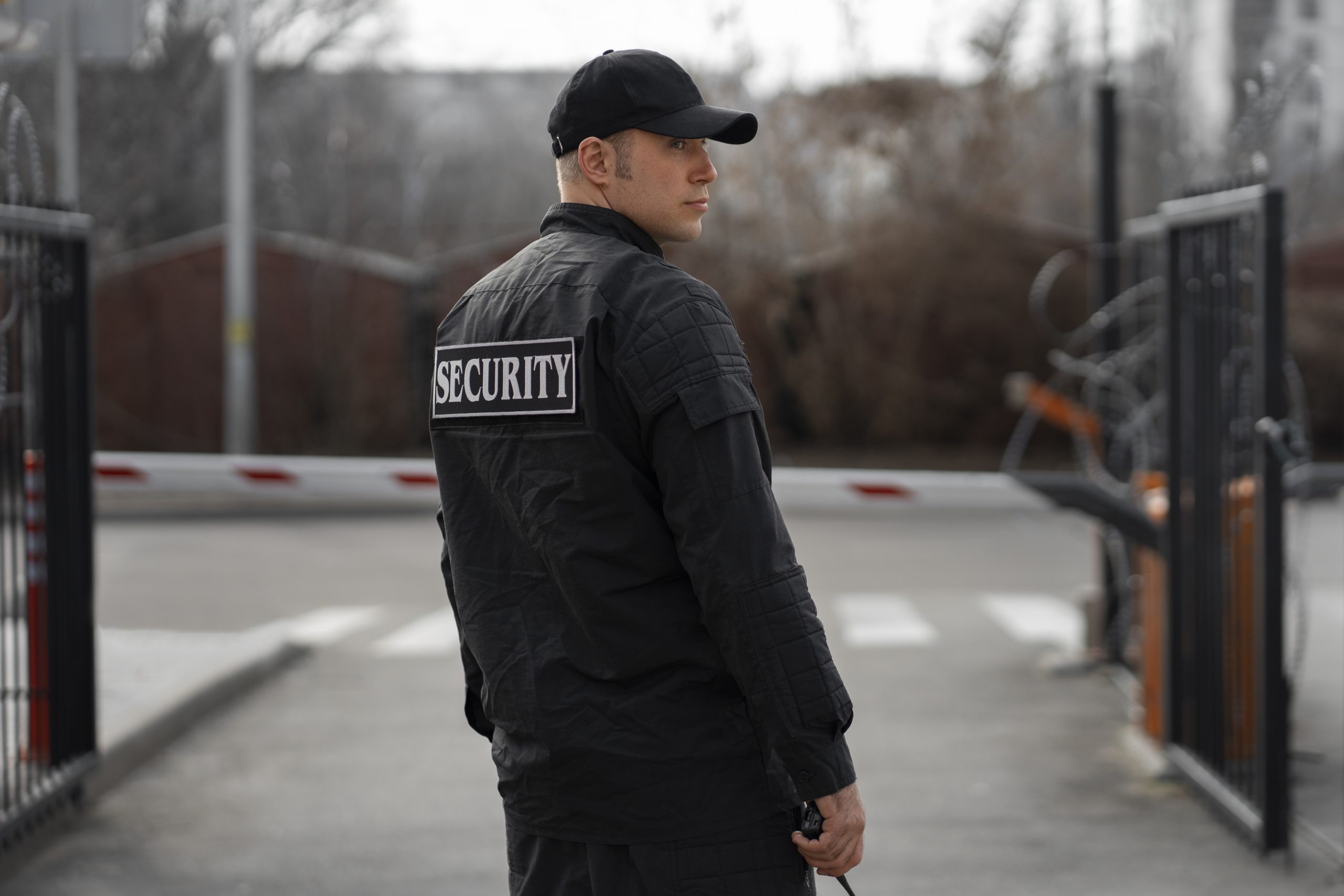
Birmingham changes hour by hour. One street feels calm, the next one feels tight. Security staff who know the city can sense these changes before most people notice them.
Their local knowledge for Birmingham security risk spotting grows from real-time on the ground. They watch small signs and the sudden hush in a place that is never quiet.
These tiny clues matter. They point to risk long before danger shows itself. In a busy city, that quick instinct can make all the difference.
Table of Contents
Why Local Knowledge Matters in Birmingham’s Dynamic Security Environment
Birmingham is wide and busy, and each district behaves in its own way. Some areas see heavy footfall. Others stay calm until late, then change fast.
Recent figures show the city’s crime rate sits over 40% above the national average, with violent incidents making up a large part of that. These numbers underscore the importance of security teams staying alert and informed.
Local insight helps. When staff know how people act in each spot, they notice small changes right away. That sharpens Birmingham security risk awareness during daily rounds.
A street that feels tense. A crowd that grows too quickly. A corner that goes still when it should stay lively. These small shifts matter.
Strong situational awareness for security personnel comes from watching these patterns. Each cue offers a hint of trouble before it shows.
In a city that moves at its own pace, that kind of grounded knowledge gives teams the speed they need to respond.
Local Knowledge for Birmingham Security Risk Spotting: An Essential Advantage
Effective local knowledge for Birmingham security risk spotting helps teams notice unusual behaviour early. It gives them a clearer sense of what feels right in each part of the city.
Spotting Unusual Behaviour Based on Area Familiarity
Every street moves in its own way. When foot traffic changes or slows at the wrong time, trained staff feel it right away. They also spot people who linger in odd places or cars that appear where they do not belong.
With stronger community-based security insights, small signs become early alerts.
Understanding Local Crime Trends and Hotspots
Past incidents help teams see patterns. When they know where trouble has happened before, they can predict the next risk with better accuracy. This supports steady local threat identification strategies, which keep attention on the areas that need it most.
Hotspot knowledge makes each patrol more focused and more useful.
Adapting Patrols Based on Local Conditions
Crowd levels rise and fall as the day moves on. Nightlife areas grow busy after sunset, and transport hubs fill in short bursts.
With security patrols informed by local knowledge, teams change their timing and routes so they can reach problems faster.
How Local Insight Enhances Situational Assessments and Decision Making
Local knowledge helps security teams judge fast-changing scenes with clearer eyes. It gives them a sense of what feels normal and what demands quick action.
Reading Environmental Cues in Real Time
The surroundings offer clues. A sudden drop in noise. A crowd that shifts in a way that feels tight. Poor lighting that hides movement. Weather that pushes people into new spaces.
Teams that understand how these factors behave in each area build stronger situational awareness for security personnel. They can spot tension building, change direction fast, and steady themselves under pressure. Small cues guide sharper decisions.
Using Local Sources for Continuous Updates
People who live or work nearby often see things first. A shop owner may notice a new face hanging around. A resident may point out changes in a usual route. Workers may spot odd behaviour during the day.
Talking with them gives steady community-based security insights. These updates keep teams informed, helping them decide where to look next and how to respond with more confidence.
Building Better Security Through Local Threat Identification Strategies
Strong local insight helps teams react faster and with more confidence. Clear knowledge of the area supports smarter choices and safer outcomes.
Training Staff to Notice Micro-Changes
Small actions can reveal risk before it grows. A person who paces near an entrance. Someone who keeps turning away from CCTV. A story that changes each time they speak. These small signs often appear long before a real threat becomes visible.
When teams learn to watch for these details, local threat identification strategies become part of their everyday work. Staff start to rely on observation, memory, and the feel of the place. Each shift becomes a chance to notice what is normal and what is not.
Reinforcing Awareness Through Repetition and Field Experience
Time spent in the same area builds a deeper instinct. After many patrols, staff learn the natural flow of movement, the usual noise, and the regular faces. This steady exposure sharpens Birmingham security risk awareness in busy locations where things can change in seconds.
Experience also builds confidence. When a team has seen a wide mix of situations, they react faster and read the scene with fewer errors. Field work turns training into skill and careful watching into habit.
Role of Security Patrols Informed by Local Knowledge
Local awareness helps patrol teams act with clarity. They move through the area with a sense of what belongs and what needs attention.
Efficient Route Planning and Hotspot Prioritisation
Good patrol routes come from knowing the ground well. Some places draw crowds at odd hours. Other spots feel tense after certain events. Teams that understand these shifts can focus on the zones that need the most care.
This approach helps prevent problems from growing. Security patrols informed by local knowledge reach the right areas faster because they do not waste time guessing. They already know the paths, the shortcuts, and the points where issues tend to start.
Faster Escalation and Reporting Processes
When staff know a location well, they can judge the seriousness of a situation in moments. A small disturbance may stay harmless, but a sharp change in behaviour or mood can signal the need for quick action.
Local insight also improves communication. Teams can give clear details, share useful context, and direct police or supervisors without confusion. This leads to faster support and smoother coordination across everyone involved.
Conclusion
Local insight helps teams read risks early and act with clearer judgment. With local knowledge for Birmingham security risk spotting, responses become quicker and safer.
Strong community links, steady experience, and practical methods all add to a sharper eye for danger. Together, they build a more alert and more protected environment.
FAQs
1. Why is local knowledge important for Birmingham security staff?
It helps staff understand how each area usually behaves. With that awareness, they notice unusual actions or changes much sooner.
2. How does local insight improve threat identification?
Local insight gives context. Teams can see when something feels out of place, which helps them identify risks before they grow.
3. Can community input help security teams work more effectively?
Yes. Residents, workers, and shop owners often share small details that staff might not see. This information supports stronger local knowledge for Birmingham security risk spotting.
4. How does local familiarity support situational decision-making?
When staff know the space well, they judge situations faster. They can decide whether to intervene, observe, or call for support with more confidence.
5. Do patrol routes benefit from local knowledge?
Yes. Familiarity helps teams choose routes that cover busy or sensitive areas at the right times, improving coverage and response speed.