Securing a construction site looks simple from the outside. Put up a fence, add a lock, place a guard at the gate, done. But anyone who has worked in the middle of a busy UK city, especially Birmingham, knows that’s only the surface.
Construction areas are living, shifting spaces. Trucks come in at strange hours. Materials appear and disappear. Workers swap shifts, contractors overlap, and site boundaries never seem to stay still for long. All these moving parts create gaps. And gaps create opportunity.
That’s why developers take perimeter security far more seriously today than they did even five years ago. The scale of theft is larger. Vandalism hits harder. Trespassers know how to exploit temporary fencing or dim corners. According to the report, construction site theft and vandalism across the UK are estimated to cost the industry hundreds of millions of pounds every year, with urban sites facing the highest concentration of incidents.
And when a site operates during the evening, all those weak spots become even easier to target. It’s here, right in this mix, that construction perimeter security Birmingham becomes a focused priority. Not because it’s fashionable, but because the risk of ignoring it can derail a project fast.
Table of Contents
The Growing Importance of Perimeter Control in Construction
Construction sites hold a strange mix of value. Some items are small and easy to grab, such as copper cables, power tools, and fittings. Others are massive but still desirable, such as plant equipment, generators, and pallets of materials.
Losses from any of these can stall work, delay schedules, or trigger insurance complications. For developers, that means cost and time, two things that rarely offer wiggle room.
Perimeter control is the first line of defence against all of it. Yet it’s rarely straightforward. Temporary access points shift around as foundations expand. Fencing gets moved to make room for deliveries. A spot that was secure last week becomes exposed after a crane reposition.
This fluid environment is where standard guard services often fall short. They operate best in fixed, predictable spaces, office blocks, retail stores, and static premises. A construction zone is the opposite: uncontrolled variables everywhere.
Developers understand this. They evaluate risk through a different lens compared to property owners or facility managers. Where a typical building might deal with a handful of steady threats, a construction site can face a dozen different ones depending on the time of day and the stage of the build. That evolving nature is why perimeter control needs trained specialists instead of generic guards.
Professional Security Over Standard Guards: Why Developers Prefer Specialists
Below is the heart of the discussion: why purpose-trained security teams outperform standard guards on construction sites. This section unpacks the real-world differences that matter to developers, not theories or buzzwords.
Training & Specialisation
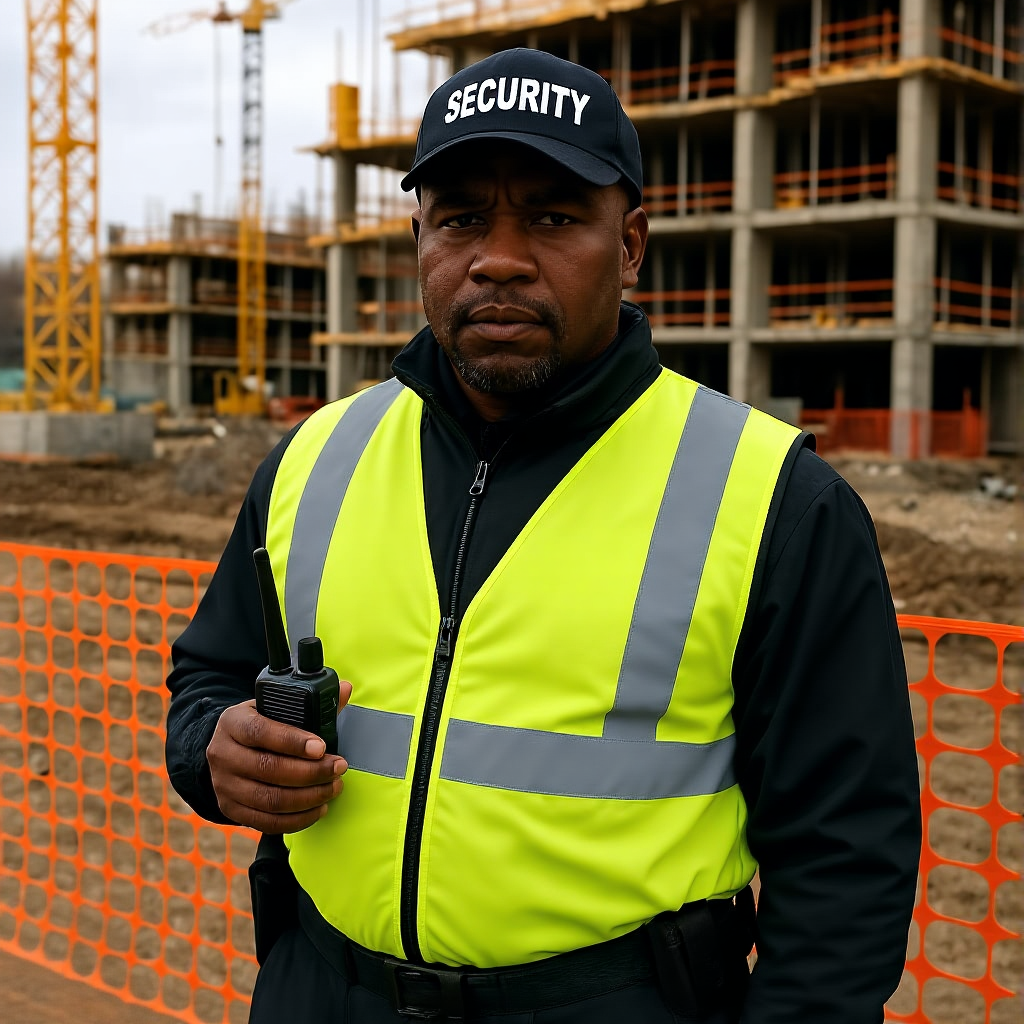
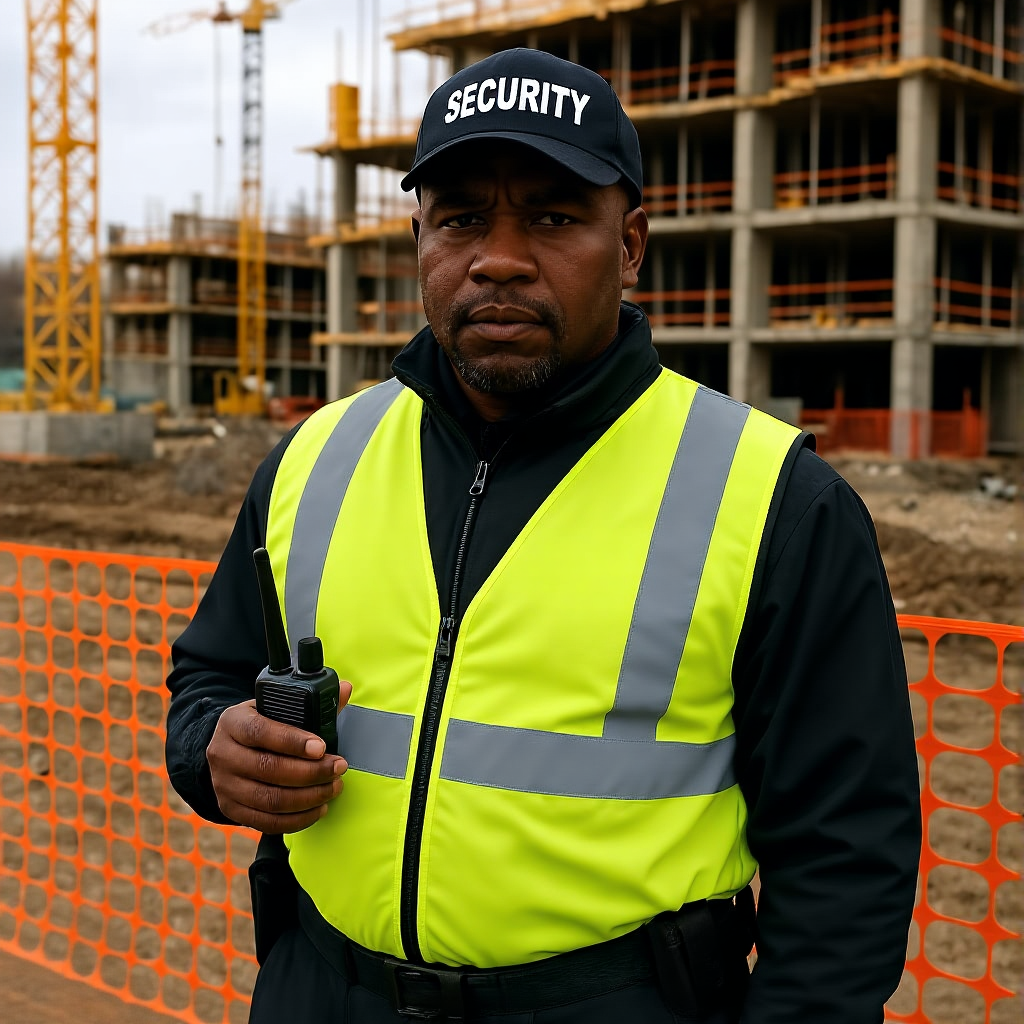
A professional construction security team isn’t just a group of guards in uniforms. Their preparation is shaped around high-risk sites. They learn how to spot early signs of theft attempts, recognise suspicious staging of materials, and understand what shouldn’t be touched or moved.
They’re taught the hazards unique to construction, open trenches, stored fuel, and unsecured scaffolding, so they don’t wander into danger or inadvertently create more.
Standard guards usually lack this depth. They’re trained for basic patrols, observation, and access control. Useful skills, just not enough for an environment where a simple oversight can lead to injury or asset loss. Construction-specific training isn’t just “extra knowledge.” It’s an entirely different mindset.
Understanding Construction Site Operations
A construction site moves through phases. Early groundwork looks nothing like interior finishing. Heavy machinery cycles in and out. Deliveries show up at awkward times because stopping traffic is expensive.
Professional guards adapt fast because they understand these rhythms. They know where workers typically store materials, where subcontractors tend to leave equipment, and which corners turn into blind spots after dusk.
Standard guards often get overwhelmed by these shifts. Not because they lack effort, but because the site doesn’t match the environments they’re trained for. When everything changes daily, familiarity matters. Missteps happen when a guard doesn’t realise the perimeter expanded overnight or when a new scaffold zone blocks line-of-sight.
Professional teams stay in sync with site managers. They get updates, share feedback, and adjust security routines based on the week’s activity. That real-time understanding is why developers trust them.
Advanced Perimeter Management Techniques
Security is much more than “walk around and keep an eye out.” Specialists implement layered defence strategies. They map patrol routes to cover high-risk areas more frequently. They adjust foot patterns around blind spots created by containers or new structures.
They conduct lighting checks, which many don’t realise is a crucial part of perimeter control. A single blown lamp can expose an entire stretch of fencing.
They also use micro-patrols around vulnerable spots, gaps between temporary fencing panels, delivery access lanes, and points where the public footpath runs close to the site boundary. This combination creates a controlled environment, even though the site itself keeps changing.
Standard guards rely on general patrols. They follow a simple route because that’s the typical instruction they are given. But construction environments are rarely linear or predictable. Without strategic planning, patrols leave unintentional blind spots, which experienced trespassers exploit.
Use of Technology & Surveillance Tools
Professional security teams are comfortable with modern construction surveillance tech. CCTV towers, motion detection units, thermal imaging cameras, and even remote monitoring systems. These tools aren’t extras. They’re part of everyday work on many Birmingham construction sites.
Standard guards often aren’t trained to manage these systems. Some may use basic CCTV, but construction surveillance, especially temporary mobile installations, requires a different level of familiarity.
Technology doesn’t replace guards, but it multiplies their effectiveness. The ones who know how to use it gain a huge advantage in keeping the perimeter tight.
Incident Response & Reporting Standards
When something goes wrong on a construction site, it rarely ends with a quiet note in a logbook. Incidents can escalate into insurance claims, police involvement, or safety investigations.
Professionals understand this. They document incidents in structured detail, time, location, contributing factors, and follow-up action, because developers rely on accurate reporting for compliance.
Standard guards often give simple summary notes. This isn’t laziness. It’s training. They aren’t taught to produce construction-grade documentation. As a result, crucial details are sometimes missed.
Accountability & Compliance
Developers face strict safety and insurance requirements. Meeting these often depends on employing security teams that follow specific standards. Professional construction security teams are familiar with compliance expectations; many operate under protocols that align with industry auditors or insurance advisers.
Standard guards typically don’t have this alignment. Their procedures support general premises, not high-risk building zones. When insurance inspectors show up, detailed records and structured protocols matter more than many realise.
Cost Efficiency Over the Long Term
It’s easy to assume standard guards are cheaper. On paper, they are. But professional teams prevent more incidents. Less theft. Fewer delays. Lower replacement costs. Better risk management. Those savings accumulate fast, especially in large projects. Developers prefer predictable spending, not surprise losses that ripple across schedules.
A cheaper guard who misses a breach isn’t cheaper in the end.
Relevance to Birmingham
Urban construction sites, especially in Birmingham, are close together and surrounded by busy streets. With so many people passing by, the risk of trouble increases. Professional security teams understand these local challenges.
They know which areas face more theft, how buildings and streets can block visibility, and where the public often gets close to site boundaries. This is why construction perimeter security Birmingham is important. The city’s layout and activity levels make smarter, more focused perimeter control necessary.
How Better Perimeter Control Improves Developer Outcomes
A well-managed perimeter makes life easier for everyone involved in the project. Work continues without interruption. Contractors don’t lose tools. Delivery schedules run smoothly. Insurance claims drop. Site managers sleep a little easier knowing someone competent is watching the boundary.
Specialised security teams aren’t just a barrier. They’re an operational partner. They reduce friction. They keep the environment predictable, even when the project itself shifts from week to week. For developers juggling deadlines and budgets, that predictability is worth more than most realise.
Conclusion
Developers choose professional construction security because mistakes in perimeter control can be expensive. Standard guards can work well in steady, quiet places. But construction sites change fast and often, so they need guards with special training and stronger awareness.
In Birmingham, many sites sit close to busy streets, which makes good perimeter protection even more important. When you look at construction perimeter security Birmingham, it’s clear why developers now prefer specialised teams.
They are safer, quicker to react, and better suited to the job. As building methods change and security needs rise, this preference will only grow.
FAQs
Why is perimeter control so critical on construction sites?
Construction sites change constantly, leaving openings for theft, trespassing, and safety hazards. Perimeter control keeps those vulnerabilities in check.
What makes professional construction security different from standard guards?
They receive targeted training, understand site operations, and follow protocols tailored for high-risk, fast-changing environments.
Do developers in Birmingham require specialised security to meet insurance terms?
Often yes. Many insurers expect documented mitigation steps, which trained construction security teams provide more consistently.
How does technology improve construction perimeter security?
Tools like CCTV towers, motion sensors, and remote monitoring expand visibility, allowing faster detection and better prevention.
Are professional security teams more cost-effective long-term?
Yes. Reduced theft, fewer delays, and better compliance usually outweigh the slightly higher upfront cost.