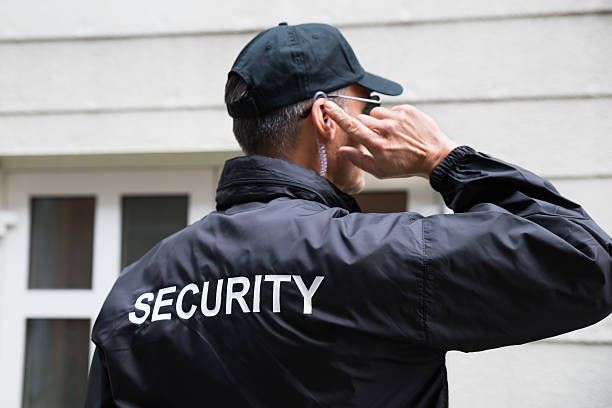
Birmingham moves with its own beat, and the people who protect it learn to feel that rhythm. They notice things most of us walk past. A step that slows at the wrong moment. A bag was left a little too long. A look that shifts the energy of a place.
Using proactive security threat assessment strategies in Birmingham, security teams act early, long before a small concern turns into real harm. They lean on local sense, quick reactions, and tools that help them read what’s unfolding around them.
Their work stays quiet, almost hidden, yet it keeps streets, shops, and busy corners steady when the day could turn fast.
Table of Contents
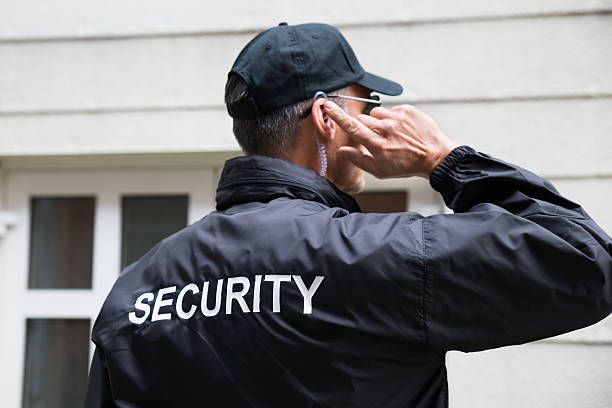
Why Early Threat Detection Matters in Birmingham’s Evolving Security Landscape
Birmingham changes its environment from street to street. The city centre stays busy, nightlife areas heat up fast, and event spots pull huge crowds. Shops and business zones have their own rush.
With so much movement, small problems can slip in quietly. This is where early risk identification methods matter. When security teams spot trouble early, they get a chance to act without causing panic.
A quick response can stop theft, violence, or other serious harm before it spreads. It protects people, keeps property safe, and helps the city stay calm.
A study from the College of Policing found that raising visible security presence by 10% linked to a 3.8% drop in crime. This shows how early action, even small steps, can shape safer streets.
Early detection turns security from reaction to prevention. It shields communities, supports businesses, and keeps Birmingham steady, even on its busiest days.
Proactive Security Threat Assessment Strategies in Birmingham
Identifying Potential Risks Before They Become Problems
Security teams watch the city with a sharp but calm eye. In busy spots, small things stand out fast. Situational awareness techniques used by security teams switch between broad sweeps and focused checks.
They look at corners, walkways, and any place where danger could take root. Early clues help them act before the situation has time to grow.
Layered Assessment Approaches for High-Risk Areas
Certain locations across Birmingham demand extra care. The Bullring, Broad Street, and the major transport hubs all carry heavy foot traffic and unpredictable flow.
To manage these areas, teams use a layered mix of people and technology. Cameras track patterns, sensors note unusual movement, and officers confirm what the tech picks up.
This blended approach helps catch issues that a single method might overlook, especially during peak hours.
Using Behavioural Predictors to Recognise Suspicious Activity
Human behaviour can reveal things long before words do. Someone pacing without direction, touching their pockets too often, or watching others instead of engaging with the environment may signal hidden intent.
Trained officers study these small cues and separate normal stress from genuine concern. When they see a chain of unusual behaviours, they keep the person in view and prepare for swift action if needed.
Rapid Decision-Making Protocols for Early Intervention
Once a threat becomes clear, teams move with purpose. They follow steps designed for quiet, controlled responses. These preventive security intervention strategies allow officers to reach the source, redirect movement, or secure an area without triggering fear in the public.
Many issues end before people around even realise something was wrong.
Cross-Team Communication and Data Sharing
Strong communication keeps the system tight. Teams share updates through regular briefings, quick radio calls, and real-time notes.
When one group sees something unusual, others learn about it fast. This constant flow of information helps remove blind spots and supports a united approach to keeping Birmingham steady and protected.
Real-Time Tools and Technology That Enhance Early Detection
The Role of Real-Time Security Monitoring Practices
Security teams use live monitoring to keep ahead of risks. Remote operators follow CCTV feeds and look for behaviour that does not match the moment.
When they notice something off, they pass the alert straight to officers on the street, giving them a chance to check the scene before the issue grows.
AI-Assisted Surveillance and Threat Prediction
Smart systems add another layer. Cameras powered by AI track odd pacing, crowd spikes, and movement that breaks the usual pattern. Machine-learning tools study these signs and warn security teams early so they can react with a clear plan.
Communication Systems for Faster Response
Strong communication makes fast action possible. Radios, encrypted messages, and shared mobile tools keep everyone linked.
This tight network helps teams carry out preventive security intervention strategies before a threat takes hold.
Preventive Security Intervention Strategies That Stop Problems Early
De-Escalation and Verbal Engagement
Security teams often start by talking. A calm voice, a small question, or a gentle check-in can lower tension fast. Officers watch the person’s tone and posture and guide the moment back to a safer place without pressure.
Controlled Presence in High-Risk Spaces
In areas known for sudden changes, a steady presence helps more than people realise. Officers place themselves where they are easy to spot but still blend into the flow.
Their quiet visibility discourages harmful behaviour and reminds everyone that the space is being watched.
Coordinating With Local Authorities
Some situations grow beyond what on-site teams can handle alone. When that happens, they follow clear steps to bring in police or emergency crews.
This pathway keeps the response sharp and avoids calling for help when it is not needed. It ensures extra support arrives only when the risk truly demands it.
How Businesses and Organisations Benefit From Professional Threat Detection
Reduced Liability and Safer Environments
When teams apply proactive security threat assessment strategies in Birmingham, they catch issues early. Small risks in shops, offices, event halls, and transport sites are handled before they grow.
This lowers the chance of injuries, damage, and disputes. Businesses avoid costly problems, and the space stays stable for staff and visitors.
Enhanced Customer Confidence
People trust places that feel secure. A steady, calm security presence shows that someone is paying attention. Customers move with ease, stay longer, and feel comfortable returning.
When teams deal with concerns quietly and quickly, the public senses order without feeling watched or pressured. This boost in confidence helps businesses build stronger relationships with their community.
Tailored Protection for Each Sector
Each sector has its own set of risks. Retail spaces face theft and crowd surges. Corporate offices need tight access control. Hospitality and nightlife deal with late-night tension. Event sites must manage large, shifting groups.
Security teams adjust their methods for each environment, creating protection that matches the space. This flexible planning helps organisations handle busy days and unexpected moments with confidence.
Conclusion
Birmingham’s security teams stay ahead by reading risks early. They use proactive security threat assessment strategies, sharp eyes, and quick judgment to catch trouble before it forms.
With real-time security monitoring practices, strong tech support, and the situational awareness techniques used by security teams, threats are spotted fast.
Using security intelligence gathering and analysis, steady preventive security intervention strategies, the city stays safer long before danger takes shape.
FAQs
1. How do Birmingham security teams spot threats before they escalate?
They pay attention to small signs like odd pacing, sudden tension, or changes in how a space feels. These early hints guide quick checks.
2. What technologies help with real-time threat detection?
Live CCTV, smart cameras, crowd-tracking tools, and fast communication systems help teams see problems as they form.
3. Why is proactive threat assessment important for businesses?
It cuts the chance of harm, keeps daily operations steady, and protects people and property before trouble disrupts the space.
4. What skills are essential for security teams in Birmingham?
Strong observation, calm speech, good judgment, and the ability to read a room help them react early and avoid escalation.
5. Can early intervention really prevent most security incidents?
Yes. Stepping in at the first sign can stop a small concern from turning into something bigger.