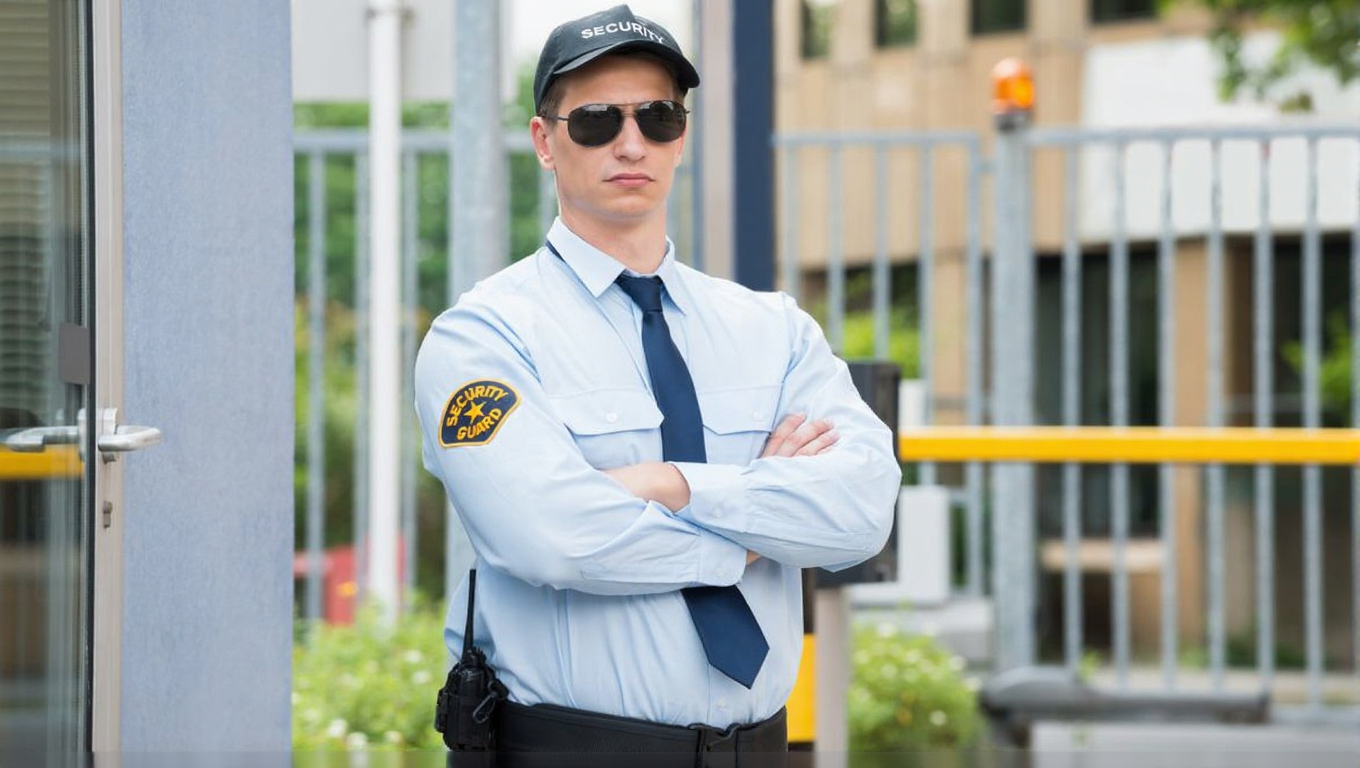
The large site stretches far beyond simple corners and corridors. And these Open spaces challenge the rhythm of security work. While the distances grow wider, the threats move in ways that do not follow set lines. Standard guards can handle routine checks at your site. But they can face struggles on wide grounds, which demand a sharper approach. This is where trained large site security Birmingham stands apart and ensures safety. Their awareness, movement style, and flexible field methods help them to manage these kinds of sites that keep shifting by the hour.
Table of Contents
Understanding the Demands of Large and Open Outdoor Sites
Open zones create unique challenges for guards. There are long fence lines, hidden paths, and blind patches that change shape with light and weather. A guard tied to fixed routes cannot keep up with these constant changes. This may end up opening a way for trouble.
Why Wide-Ranging Areas Need Faster, More Adaptive Patrol Movements
Outdoor space never behaves the same way twice. Visitors walk in from new angles, vehicles cut across lanes, and a shift in lighting can hide a threat. Officers work on wide-area patrol efficiency. This lets them adjust pace and direction to match the area’s movement. Also, this allows them to scan far distances. Following it, they can cut across the ground with confidence and change route whenever the layout demands it.
The Impact of Unstructured Space on Threat Detection Timing
Indoor settings hold the guided movement, but as for outdoor grounds, they do not. Threats can appear at the far back of a field or near a quiet gate. In these situations, a standard guard can’t reach on time. As for the officers who are trained for these situations, they can handle them without any issues. They will use broader scanning habits and quick judgment to reduce that delay. And they close gaps before an issue builds into something worse. According to the research, sites with trained outdoor patrols respond to incidents 50% faster than locations relying solely on indoor or static security measures, reducing potential losses and damage.
The Key Differences Between Standard Guards and Trained Security Officers
Both roles matter, but the contrast becomes sharp when the site grows large. Officers work with flexible methods that support wide movement and complex terrain.
How Higher-Level Training Enables Better Coverage and Faster Situational Judgement
Trained officers understand open spaces and make their patrols specific to the site. Their practice makes them sharper in their duty. They can spot any intruder’s movement, can read body language, and catch early signs of risk. A trained officer can respond quickly to the issue because they trust their judgement and their training. And this helps them to keep vast grounds safer.
Why Security Officers Use Strategic Patrol Planning Instead of Repetitive Route Walking
Fixed loops become predictable and open up the way for trespassers. It’s common for intruders to note patrol patterns, but it can be prevented. Officers do avoid these risks by changing timings and combining routes to build stronger coverage. These security officer patrol methods keep people guessing and close gaps that routine patrols leave open.
Advantages of Officers Using Mobility Tools and Field Equipment
Officers carry tools that help them keep pace with large terrain. Radios allow them to communicate and make quick coordination. Using GPS helps them to track movement and monitor their site. While torches let them see through darkness, body-worn cameras support real-time response. These tools reduce wasted steps and speed up action on ensuring site security.
How Security Officers Maintain Wide-Area Visibility and Reaction Speed
Outdoor security heavily depends on movement. Large site security Birmingham tend to stay mobile and alert to ensure the site stays safe. And they do smart positioning around the site for better visibility of the building.
How Officers Create Overlapping Patrol Loops to Ensure No Area Stays Exposed
Officers break large areas into zones and move through them in patterns that overlap. This layered style ensures no zone stays unwatched for long. This strengthens the security through large-scale perimeter protection. These robust protections around the site can block hidden paths and stop intruders from studying routines.
Responding to Sudden Alerts Faster Than Static Standard Guards Can
Officers react to alerts quickly and cover them. They react as soon as sensors, cameras, or staff share updates and notify them. Many sites give them vehicles, bikes, or buggies to cover larger sites. This lets them stay ahead of growing threats and resolve them quickly.
Controlling Access Points Across Large Distances Without Losing Ground
Large sites contain several entry points, which can be an easier option for trespassers. Some operate all day, while others open only at peak hours. Every officer positions themselves where they can watch these points without losing sight of the wider ground. They also adjust movement to keep each access route secure.
The Role of Technology in Enhancing Officer Efficiency Over Large Areas
Technology has not evolved to replace officers. It supports their duty and ensures the technology support for on-site security. They can extend their reach and sharpen their decisions.
How Officers Use Real-Time Monitoring Tools to Cut Patrol Delays
Body-worn cameras, portable monitors, and handheld screens feed live activity into their hands. This equipment helps them to ensure no threats affect the site. Officers can shift direction at the moment something changes and get notified. They can avoid long walks and check on the alerted region. This ends up saving precious time and also maintains safety without any risks.
Why Technology-Active Officers Lower Missed Threat Rates on Open Sites
Real-time data helps officers spot any threats around the site. This makes things easier to find the odd ones, which the guards’ eyes might miss. A quiet sensor can alert the guard when an intruder gets into the site. In these situations, a small change in a camera feed can mean a lot in catching them. Trained officers can adjust their plan before the problem grows. These decision makes large site security Birmingham stay robust in their duty to ensure safety.
Officers’ Ability to Handle Environmental & Crowd Variables on Outdoor Grounds
Outdoor environments change every time as the site tends to change when they get closer to finishing the project. Officers stay ready for it and make sure to handle whatever the ground throws at them.
Handling Poor Visibility, Weather, and Obstructed Areas with Trained Awareness
A trained officer doesn’t just prepare for the external threats like trespassers and intruders. They also prepare best against natural disasters. The Fog hides corners, rain changes the way sound travels and the dark fields reduce visibility. Each officers adapt their pace, switches tools, and picks routes that keep risk in view. They move with purpose, not guesswork.
Managing Groups, Vehicles, and Moving Hazards More Effectively Than Standard Guards
Large sites mostly attract crowds and vehicles. Thieves and vandals often try to find a way to enter and harm the site’s property and equipment. And to prevent it, officers manage the flow of groups and vehicles on-site. They do guide movement and keep hazards under control. They also split attention across several points without losing clarity. This helps them to prevent these threats from entering the site.
Final Thoughts
Outdoor areas need people who think fast and move with intent. To ensure the safety of the site, they have to adjust without delay. Large site security Birmingham officers bring that ability to your site. Their training, tools, and movement style fit the demands of open ground. And when the site grows wide, its edge becomes clear, and they adapt the security plan to ensure robust safety.
Frequently Asked Questions
1. How do trained security officers cover wider outdoor areas without slowing down patrol quality?
We do cover wide ground by changing our pace and shifting angles. Also, we keep on scanning the area actively. We avoid fixed paths and move in a way that matches the flow of the site.
2. Why are standard guards less effective on large, open sites?
Standard guards follow simpler routines in their site guarding. In the large sites, the same method of guarding can give a slow response and impact on safety. Our training helps us to react faster and manage the ground that changes every hour.
3. What tools help security officers maintain faster reaction times?
We do use radios, GPS tools, bright torches, sensor alerts, and live camera feeds. These tools help us to act fast and avoid wasted steps.
4. Do large-site officers follow fixed routes or dynamic patrol plans?
We follow dynamic patrol plans because fixed routes become predictable and open the way for trespassers. We shift loops, vary timing, and build unpredictable patterns to prevent these threats on the site.
5. How does technology improve efficiency on open outdoor grounds?
Technology gives us real-time updates. We act on alerts at once instead of walking long distances just to check one point.