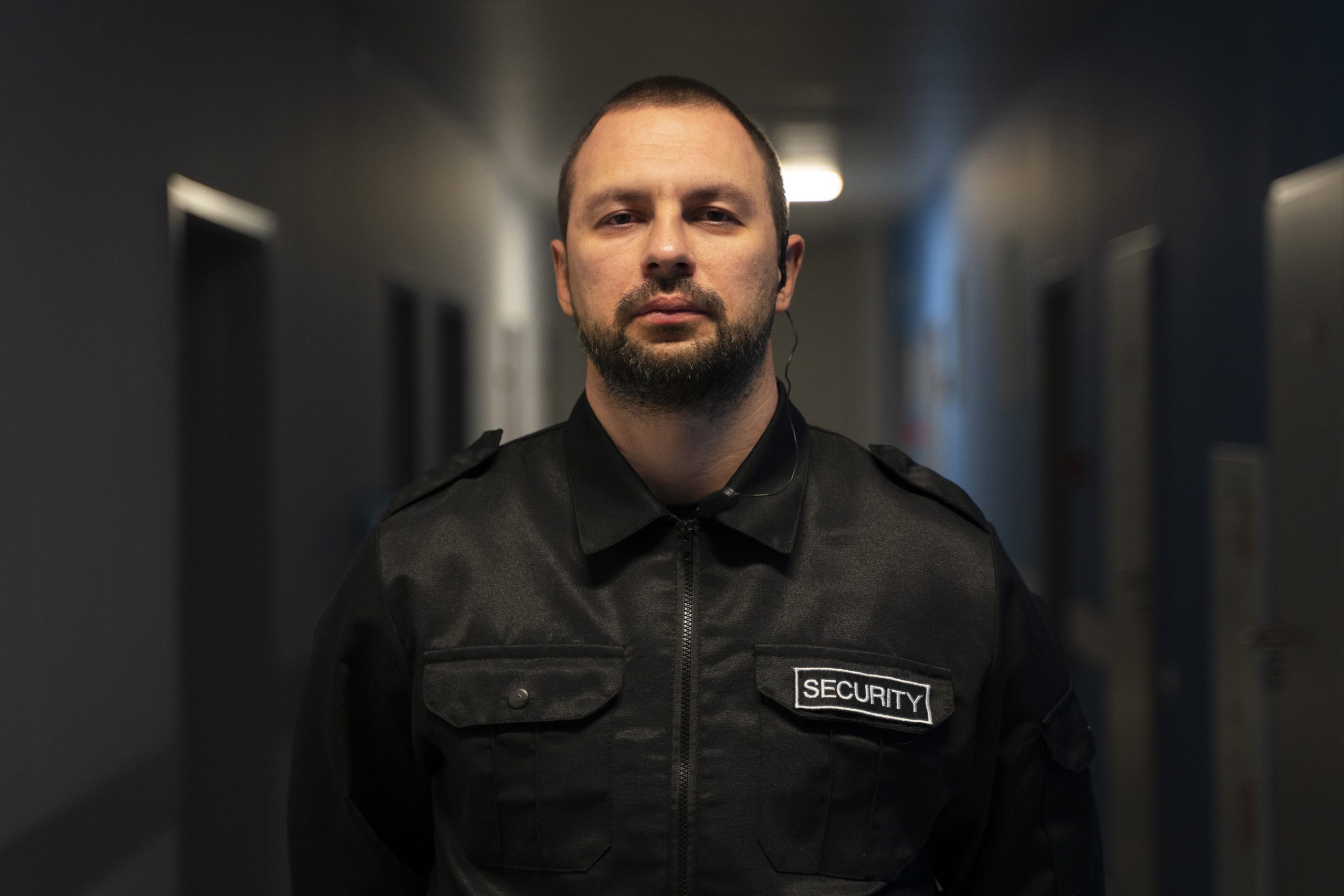
Threats do not always show up in obvious ways. Sometimes they slip through crowds, linger in shadows, or hide behind normal routines.
Security officers learn to notice these signs fast. They watch how people move. They read small shifts in tone, posture, and intent. Modern tools help them see what the eye can miss.
Cameras track blind spots. Sensors flag unusual activity. Together, these skills create a strong shield against danger.
In this blog, we look at how officers use real-time awareness and smart tech to respond before trouble spreads.
We also explore practical security threat detection techniques in Birmingham, where local teams face a wide mix of risks each day. Their approach shows how quick thinking can change everything.
Table of Contents
The Power of Situational Awareness in Spotting Hidden Threats
Strong security officer situational awareness skills help notice danger before it unfolds. They rely on sharp eyes, fast judgement, and a clear sense of what feels normal in a space.
UK security findings show that most early threat discoveries come from human observation rather than technology, highlighting how important trained awareness is in real situations.
Officers scan their surroundings in short sweeps. They look for things that break the natural flow, like strange objects, blocked paths, or a person moving with unease.
They read behaviour as well. A tense face, restless hands, or eyes that avoid contact can hint at risk.
For threat detection officers Birmingham, the fast pace of stations, nightlife spots, and busy streets makes these cues even more important, as signs appear quickly and fade just as fast.
Understanding Behavioural Indicators
Small actions can reveal stress or intent. Someone avoiding cameras, pacing without direction, or focusing on exits more than people may draw attention.
Officers study these small signals with steady focus, using experience to guide their response.
Environmental Scanning Techniques
Structured scanning keeps blind spots small. Officers move through simple patterns, checking corners, doors, stairwells, and quiet spots where items could be hidden.
Routine checks reveal changes like shifted objects, tampered locks, or signs of forced entry. These early clues give officers the chance to act before a threat grows.
Officers Use Advanced Surveillance Technology for Threat Detection
Security officers now use a mix of modern tools to spot danger the moment it appears. In Birmingham, this technology helps officers watch large areas where crowds shift fast. It adds precision to their work and supports real-time decisions.
AI and Smart Cameras
AI cameras can study faces, follow items in motion and react when something changes in the scene. When the system notices odd behaviour or movement, it sends a direct alert. Officers can act right away because they no longer need to search for the problem first.
CCTV analytics and mobile monitoring units give officers clear insight into places that are hard to watch by eye alone. AI-enhanced cameras pick up details that once slipped through.
With advanced surveillance technology for threat detection, teams gain a stronger picture of what is happening around them, even in wide or complex locations.
Integrating Real-Time Risk Identification Tools
Handheld scanners, body-worn AI cameras and remote monitoring apps add quick support in busy environments. These tools pick up unusual heat signatures, hidden items or behaviour that needs attention.
When a device flags an issue, the alert reaches the officer immediately. Instant notifications help staff prevent issues before they spread. Real-time tools also show changes in the environment, such as a disturbed object or a door not closing as it should.
This steady flow of information makes it easier for officers to act fast and keep the space under control.
How Technology and Human Observation Work Together for Instant Threat Recognition
Enhancing Officer Confidence and Accuracy
Human judgment and modern tools now operate side by side, creating a sharper approach to safety. Live data from cameras and scanners points out changes that might go unnoticed.
Officers then use instinct and experience to make sense of those signals. Today’s risks shift fast, so relying on one method alone leaves gaps.
When frontline security monitoring strategies link with AI support, officers gain a clear picture of what is happening in the moment.
This helps them act with steady confidence, as decisions come from both real-time insight and human understanding.
Faster Response to Concealed Weapons and Behavioural Threats
Immediate alerts highlight movement, hidden items or strange actions. But it is the officer who decides what the alert means. This combined approach is vital in Birmingham’s busy spots, where threats can blend into crowds.
Concerts, sports events and packed shopping areas all demand quick thinking. Threat detection officers Birmingham use rapid signals from tech and their own reading of behaviour to recognise concealed weapons or rising tension.
This partnership allows interventions to happen early, reducing risk before it spreads.
Mastering Security Threat Detection Techniques in Birmingham
Birmingham’s fast-growing city life brings larger crowds, more movement and new risks. Officers now need sharper instincts and tools that react in the moment.
The mix of human judgement, frontline security monitoring strategies, steady professional security patrol observation methods and quick real-time risk identification tools helps them stay ahead of threats that appear without warning.
Here are some techniques to learn:
Behaviour Recognition Techniques
Small actions can reveal intent. Officers need to read small signs while keeping their focus on the wider scene.
Environmental Awareness Techniques
Objects out of place or fixtures that look disturbed can point to a hidden issue. Officers need to notice small changes in the environment, even those easy to overlook in busy areas.
Dynamic Monitoring Techniques
Crowds in Birmingham shift fast. Officers adapt by changing angles, pausing at pressure points and taking new routes.
These fluid frontline security monitoring strategies help them keep sight of areas that might be missed.
Real-Time Detection Techniques
Instant data from scanners or AI devices spots unusual heat, movement or concealed items. These real-time risk identification tools allow officers quick clues that guide their next steps.
Structured Patrol Observation Techniques
Strong professional security patrol observation methods keep officers grounded. They follow routes that make sense for the space, stop at vulnerable points and review zones where early risks often appear.
Conclusion
Birmingham’s busy streets and packed venues need officers who can react fast and read danger in small details.
With sharper judgment and better tools, threat detection officers can act before a problem grows.
As the city shifts, strong security threat detection techniques in Birmingham matter more than ever. When simple observation works alongside quick alerts, officers gain a clearer view of what is happening around them.
This mix helps them catch hidden risks early and keep public areas safe.
FAQs
1. Why are observation skills still important if technology is available?
Machines can scan fast, but they cannot read emotion or intent. Officers spot tension, hesitation or unusual behaviour that tech might ignore. Their judgment fills the gaps.
2. What technologies help security officers detect threats instantly?
AI cameras, smart CCTV networks, body-worn systems and real-time risk identification tools give quick alerts when something changes. These tools guide officers toward areas that need attention.
3. How do patrol observation methods improve safety?
Regular checks help officers learn how a space should look. When an object shifts, a lock seems disturbed or a pathway changes, they notice it early and can act right away.
4. Why is Birmingham a key location for advanced security techniques?
The city’s packed stations, nightlife spots and event venues create constant movement. These busy places need sharper monitoring to keep people safe.
5. Do officers need special training to use advanced surveillance tools?
Yes. Proper training helps officers read alerts correctly, avoid false assumptions and respond with steady confidence.