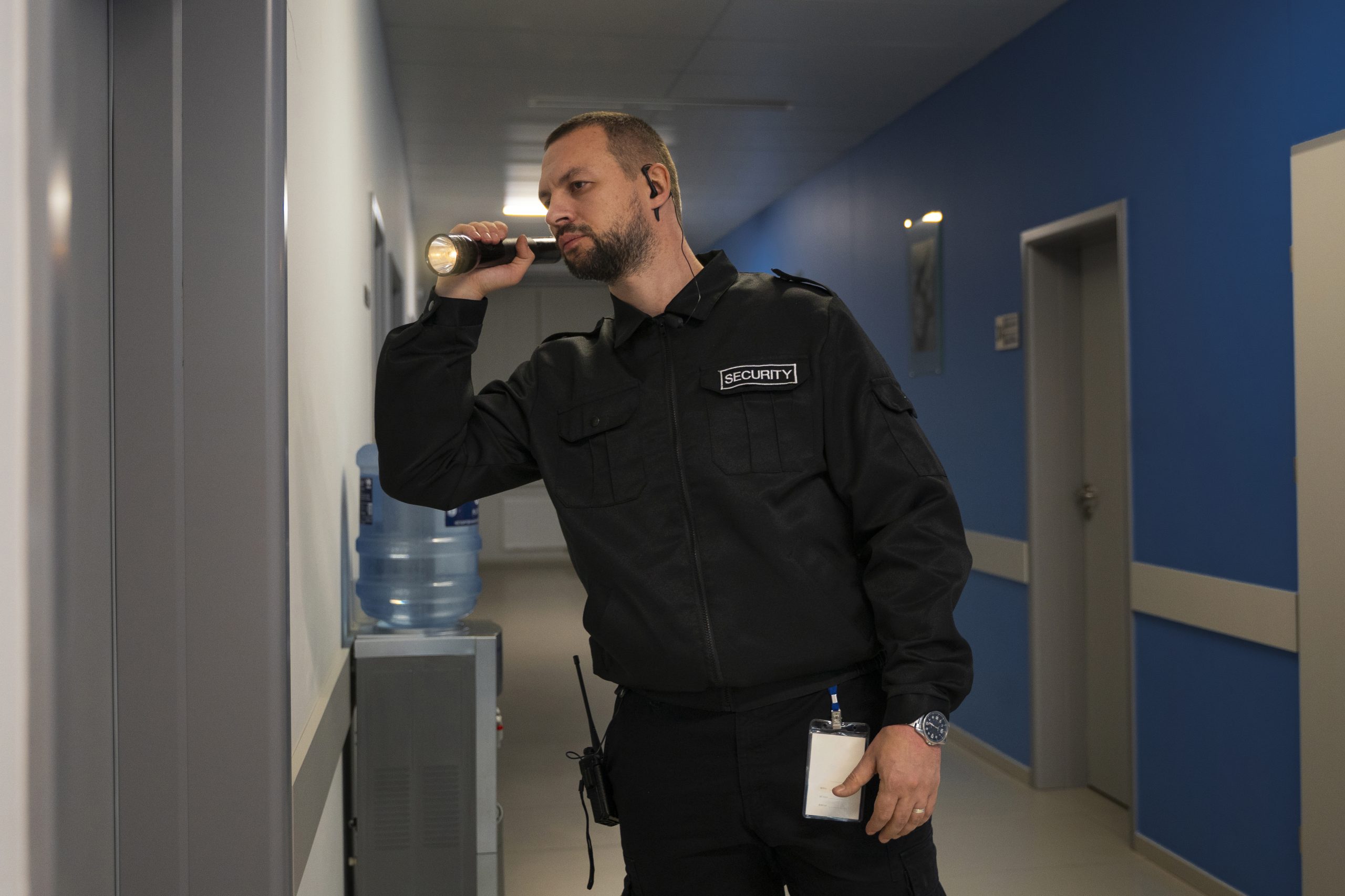
A Birmingham shop owner once told me that comparing security quotes felt like trying to read a menu in the dark. Numbers everywhere, but nothing made sense. One company wanted a price that looked almost suspiciously low; another sent a detailed sheet filled with jargon that could have been ancient math. It’s funny how price tags seem straightforward until you look closer, especially when Birmingham business security budgeting becomes part of the conversation.
That’s when the questions begin. Understanding security service cost Birmingham isn’t only about the number you see on paper. It’s about the layers inside that number the ones that protect a business from losses, delays, or the anxiety that comes with uncertainty.
Table of Contents
Why Security Service Cost Birmingham Differs?
Costs shift for reasons that aren’t always obvious at first glance. Birmingham is a mixed city with lively nightlife, streets, dense retail clusters, broad industrial estates, and quieter business parks. Each one shapes security needs in a different way.
Business Location and Risk Profile
Some parts of the city simply carry more risk than others. A shop facing late-night crowds in Broad Street sees more unpredictability than an office on a quiet suburban road. High footfall increases the chance of incidents.
Past crime data in the area also influences cost because guards might need specific training or more coverage hours. Access points matter. A site with many doors, loading bays, or parking areas requires more observation. Extra ground means extra staff or extended patrol time, directly affecting security cost factors.
Type of Security Required
Not all security tasks carry the same requirements. Static guarding, mobile patrols, concierge-style roles, CCTV monitoring, and event coverage each call for different skill sets. Static positions may demand long hours of monitoring and reportkeeping.
Mobile patrols need fast response capabilities. CCTV operators often require strong tech familiarity. These differences shape pricing in the background. A “guard” isn’t a simple label. It’s a spectrum, and security cost factors shift across that spectrum.
Duration, Shift Patterns, and Staff Rotation
Shifts impact rates. Day hours may cost less than late-night coverage. Weekend prices differ from weekday costs. If a business operates around the clock, longer shifts increase the number of staff needed for rotation. Scheduling takes planning and contributes to operational risk expenses, the kind most businesses don’t notice until they dig into costs.
Breaking Down the Real Cost of Security Services in Birmingham
This is the part most people never see, the inner machinery of how pricing works. It’s the difference between a number that makes sense and one that feels random.
What Goes Into an Hourly Rate (The Unseen Structure Behind a Quote)
An hourly rate includes wages, training, licensing, uniform costs, vetting, insurance, scheduling, and administrative support. Public liability coverage alone can be extensive, especially in areas with higher-risk activity. Guards need DBS checks, right-to-work checks, and the right qualifications.
These unseen elements form the backbone of Birmingham business security budgeting and shape the real numbers you see. When a quote looks abnormally low, something in that structure has usually been trimmed, often training, support, or compliance. Understanding this breakdown helps explain the security service cost Birmingham without needing a sales pitch.
The Real Cost of Under-Protection (Loss, Downtime, and Disruption)
There’s a price for protection and a bigger one for under-protection. Loss from theft is the obvious example, but downtime, incident response delays, and staff stress are equally damaging. Real-world cases often show this.
A small shop in Selly Oak spent more replacing stolen stock over six months than it would have spent on stable guarding. A logistics site in Digbeth faced machinery tampering that halted operations for hours. These situations become part of operational risk expenses, and they’re rarely accounted for until they hit margins.
Why Experience, Training, and Response Speed Change Pricing
A guard trained in conflict management, first aid, CCTV systems, queue control, or rapid incident handling brings more value. Birmingham’s mix of hospitality zones, retail sectors, and logistics sites demands adaptable skill sets. Skilled guards often prevent escalation before it starts.
Paying a bit more for competence can result in fewer incidents overall. In that sense, spending becomes a protective service investment rather than an expense thrown into a void. The cheaper option often looks attractive until a slow response or lack of training leads to a costly setback.
Long-Term Savings: How Good Security Reduces Hidden Expenses
Hidden savings are the quiet wins. Fewer insurance claims can influence future premiums. Lower shrinkage strengthens margins. A safer environment reduces staff turnover. Managers spend less time handling incident reports and more time focusing on actual business growth.
Effective security supports steady operations, and steady operations create long-term security value. When businesses see the cumulative effect, security service cost Birmingham becomes part of a larger financial picture, not just a single invoice.
Why People vs Technology Isn’t a Straight Cost Swap
Some assume replacing guards with tech automatically saves money. Sometimes it does — but not always.
Tech Covers Space, Humans Interpret Behaviour
Cameras capture everything, but they don’t understand why someone is lingering around a doorway. Sensors trigger alerts, but they cannot judge intent. Humans can. And this human interpretation adds protective service investment value that tech alone cannot replace.
False Savings: When Tech Alone Ends Up Costing More
The tempting belief is that cameras replace people. But without someone on-site, there’s no immediate response. Tech can fail. Alerts can be missed or misinterpreted. When that happens, minor risks evolve into larger ones. Here’s where long-term security value proves itself: humans reduce damage by acting early.
Hybrid Models That Balance Cost and Coverage
Some businesses blend CCTV with mobile patrols. Others use controlled access paired with part-time guarding. These hybrid approaches keep costs manageable while keeping interpretation and response capabilities active. There’s no perfect formula; only solutions that balance need and cost without drifting into extremes.
Conclusion
When you break down the layers behind security pricing, it becomes easier to understand how each part fits. Risk, training, experience, hidden operational mechanisms, and wider behavioural economics all play roles. When viewed through this broader lens, security service cost Birmingham shifts from a simple price tag into a wider decision about risk stability and operational continuity. Numbers tell a story, but the costs you avoid often reveal the real one. A business runs smoothly when safety doesn’t wobble.
Frequently Asked Questions
1. What’s the average hourly price for a security guard in Birmingham?
It varies by role, location, and risk level.
2. Why do night shifts cost more?
Late hours carry a higher risk and require staffing at difficult times.
3. Are mobile patrols cheaper than static guards?
Often yes, but they provide less constant presence.
4. Do business size and layout affect security pricing?
Absolutely. More doors, more ground, more cost.
5. Is CCTV monitoring alone enough to cut costs?
Sometimes, but human interpretation still catches what cameras miss.