If you manage or oversee a construction project in Birmingham, you already know that site theft isn’t some rare, unlucky occurrence. It’s a constant threat. Tools go missing. Fuel disappears. Copper wiring that was neatly stacked the night before is gone by the morning. On some projects, it feels as if the criminals are watching as closely as the site managers.
The scale of the issue has grown alongside the city. From the major regeneration works in Digbeth to the redevelopment around Perry Barr and the expanding residential builds across the West Midlands, construction sites hold a lot of value in plain sight. And where value sits with limited protection, trouble tends to follow.
Yet there’s one strong pattern that never seems to break: Sites that bring in trained security teams experience fewer break-ins. A lot fewer.
It’s not luck. It’s not a coincidence. It’s the result of how trained professionals change the behaviour of both criminals and the site itself.
Below, we break down why trained security matters, why it works so consistently, and why construction site security in Birmingham is now considered a core operational requirement
Table of Contents
The Unique Vulnerabilities of Construction Sites
Several Birmingham districts report repeated construction-related thefts each year, something reflected in the open crime data published by West Midlands Police. For instance, in the year ending June 2025, Birmingham recorded about 118.37 crimes per 1,000 residents, higher than the regional average.
Construction environments look tough from the outside, with steel frames, heavy machinery, and reinforced materials, but in reality, they are among the easiest commercial environments to infiltrate.
They change daily, have fluctuating personnel, and hold expensive equipment out in the open.
High-Value Equipment and Materials Left in the Open
Walk past almost any site in Birmingham and you’ll see what criminals see:
- Excavators and loaders
- Portable power tools
- Fuel tanks and generators
- Spools of copper cable
- Fittings, timber, metals, and glazing
Many of these items sit outdoors because there’s no other place to put them. Materials arrive by the truckload, often faster than they can be secured. Containers help, but they only protect a portion of what’s on-site, and even those containers are obvious targets.
Thieves don’t need to guess where the good stuff is. They can see it from the pavement.
Irregular Working Hours Create Clear Opportunities
Construction schedules are predictable, even if the work itself isn’t. Criminals know when a site is active and when it’s dormant. Night-time, weekends, and bank holidays are prime windows for break-ins.
Some gangs monitor patterns for days. They know when vehicles leave, when the last worker locks up, and which corner of the site sits in the dark.
In other words, the lack of round-the-clock presence creates an invitation.
Temporary Infrastructure Means Weak Boundaries
Unlike completed buildings, construction sites have:
- Temporary fencing
- Temporary gates
- Unfinished entry points
- Limited lighting
- Constantly changing layouts
Every time the site changes shape, a new vulnerability can appear. A fence was shifted for deliveries. A gate was propped open for contractor access. Heavy weather bends a panel out of place.
These vulnerabilities are exactly why trained security teams make such a dramatic difference. Every weakness criminals rely on is the same weakness a professional guard knows how to disrupt, block, or monitor.
How Trained Security Teams Change the Risk Landscape
Every tactic used by trained officers directly counters a vulnerability discussed above, which is why break-in attempts fall sharply once they are deployed.
Hiring trained security doesn’t simply add “more people” to the site. It reshapes the threat entirely. To a criminal, a trained guard is the difference between a risk and a near-certainty of being caught.
Proactive Patrols Interrupt Criminal Planning
Experienced thieves plan before they act. They look for predictable movements: when guards pass, which corners stay quiet, which paths are unlit. They gather information over time.
A trained security team disrupts this pattern by being intentionally unpredictable. They vary:
- Patrol timing
- Patrol routes
- Areas of focus
- Lighting checks
- Observation points
This unpredictability breaks the criminal’s main advantage: planning. If they can’t anticipate guard movement, the entire operation becomes too risky.
Effective Early Detection Prevents Full-Scale Attacks
Most theft attempts begin with “testing”, not with a full intrusion.
- A small cut in the fence.
- A moved barrier.
- A fresh footprint where none should be.
- A container latch is disturbed.
Trained security officers recognise these as red flags. They react before the situation escalates. This early intervention prevents a minor breach from turning into a major theft event.
On Birmingham sites where trained teams were introduced, the drop in successful theft attempts was immediate.
Visible Professional Presence Acts as a Cognitive Deterrent
Criminals don’t want confrontation. They don’t want unpredictability. They want easy wins.
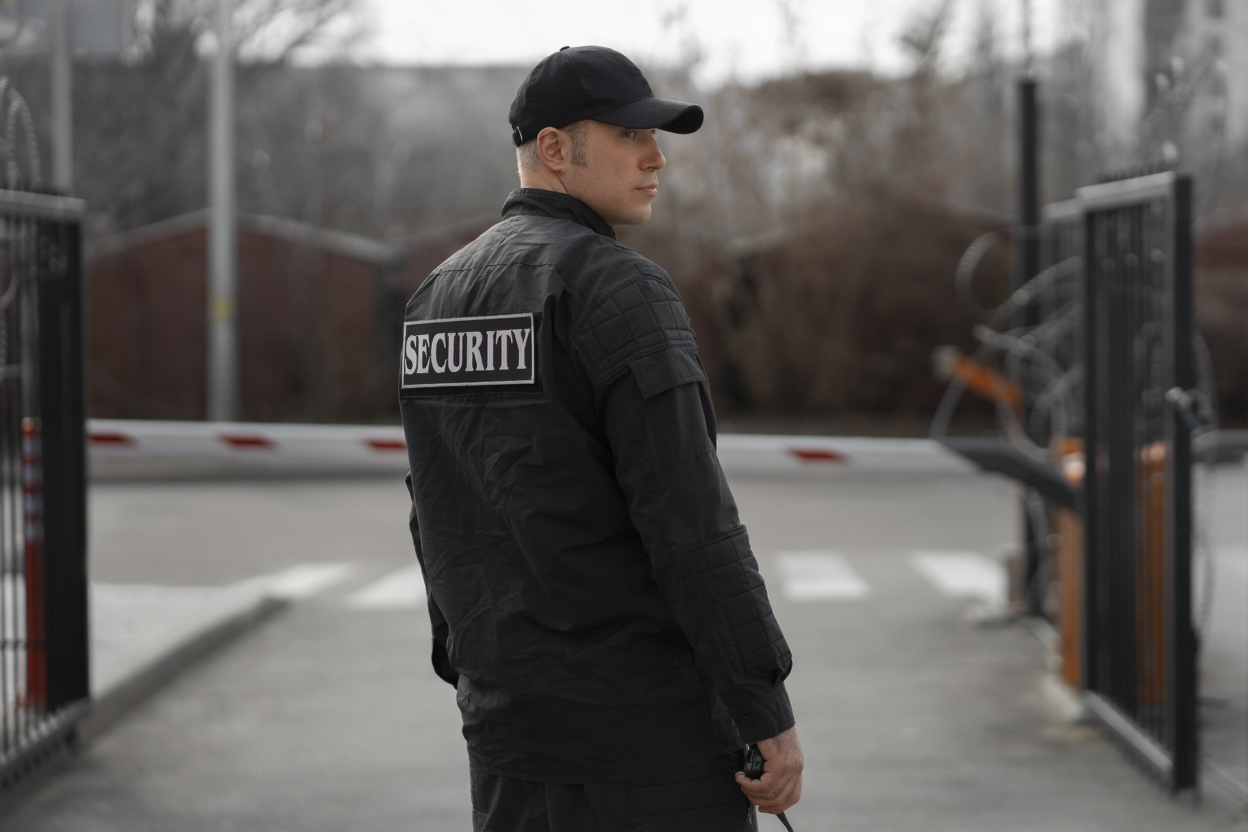
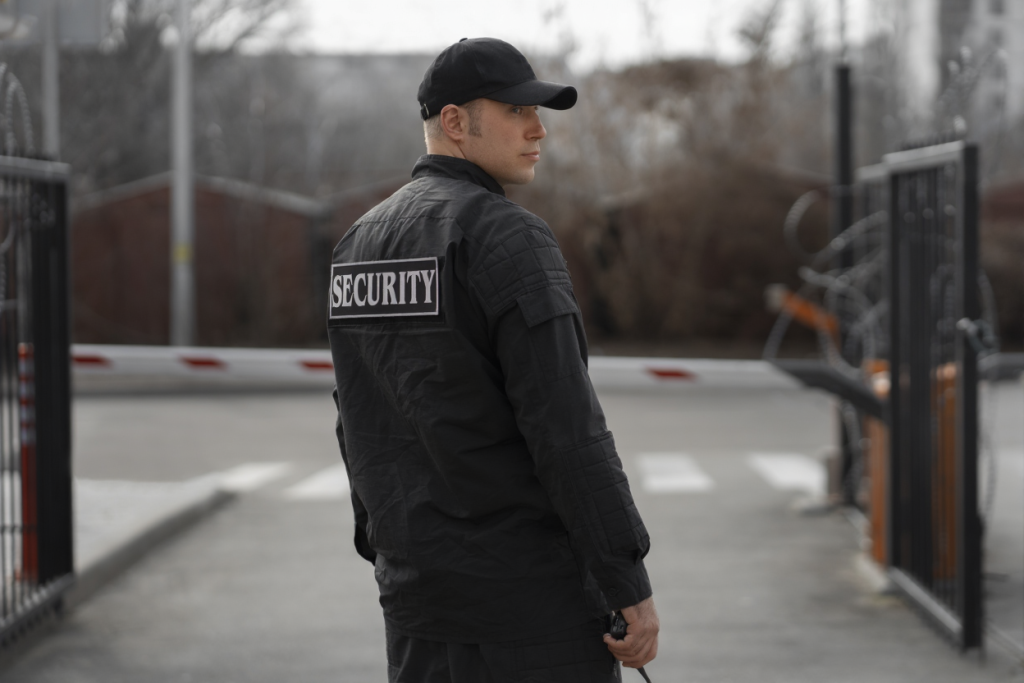
A trained security officer standing at the gate or patrolling with authority changes the calculation. It signals:
- Someone is alert
- Someone is watching
- Someone knows what to look for
It is often enough to send thieves elsewhere. This psychological factor is one of the strongest contributors to the reduction in break-ins.
Skillsets That Make Trained Teams Worth the Investment
Construction site security Birmingham services aren’t about having bodies on-site. They’re about having capable professionals who specialise in this environment.
Threat Recognition and Situational Awareness
A trained guard can spot things that others miss. They scan movement, listen for irregular sounds, and notice subtle changes in the environment. Their awareness is deliberate, not casual. This skill alone stops many break-ins long before they begin.
Conflict Management That Prevents Escalation
Trespassers vary. Some are opportunistic. Some are curious. Some are organised professionals who know exactly what they want.
Poorly trained staff can escalate a situation without meaning to. Properly trained officers understand distance, tone, language, and procedure. They keep interactions calm and controlled, ensuring safety for both the site and the individuals involved.
Mastery of Surveillance and Reporting Systems
Modern construction security requires technological fluency:
- CCTV monitoring
- Motion-sensor activation
- Remote alarm systems
- Access logs
- Incident reporting
Trained teams have the discipline to maintain accurate logs and follow reporting protocols. This documentation becomes vital for insurance claims and police investigations. Where untrained staff react, trained teams anticipate.
Access Control and Perimeter Reinforcement
A strong, controlled entrance and a secure perimeter are fundamental to reducing theft. Trained security officers uphold both.
Strict Access Control for All Personnel
Professional officers manage:
- Worker and contractor identification
- Visitor check-ins
- Vehicle verification
- Delivery approvals
- Signing-in and signing-out procedures
This prevents unauthorised individuals from slipping in unnoticed, which remains one of the most common entry methods for theft.
Monitoring High-Risk Delivery and Drop-Off Zones
Deliveries create chaos. Materials pile up. Vehicles move in and out. Tools sit temporarily unguarded. Thieves know this is one of the easiest times to blend in.
Trained guards maintain a visible presence during drops, ensuring nothing goes missing in the confusion.
Regular, Structured Perimeter Patrols
Temporary fencing weakens over time. Weather, machinery, and tampering can create openings. Trained teams carry out systematic sweeps to detect:
- Gaps
- Cuts
- Bent panels
- Compromised gates
Finding these early prevents a large-scale breach later.
Evidence of Break-In Reduction After a Trained Team Comes Onboard
Real-World Case Patterns From Construction Projects
Across Birmingham, from small residential builds in Harborne to large commercial developments in the city centre, the pattern holds: Break-ins fall dramatically once trained security personnel are deployed.
Contractors have reported:
- Fewer night-time intrusions
- Reduction in power tool theft
- Lower losses of metals and fuel
- Faster resolution of suspicious activity
- Near elimination of repeat break-ins
Some sites noted a reduction of more than 60% within the first month.
Reduced Downtime and Project Delays
Every stolen tool, every damaged gate, every missing generator adds hours or days to the timeline. Waiting for replacements or repairs halts progress. Trained security reduces these interruptions, keeping schedules on track.
Better Insurance Compliance and Risk Ratings
Insurance companies prefer sites with trained security for one simple reason: fewer claims. A guarded site is a lower-risk site, and lower risk usually leads to smoother claims and, in some cases, better premiums.
Conclusion
Break-ins don’t fall because criminals become less active. They fall because construction sites become harder to target. Trained security teams change the environment. They reduce opportunity, eliminate predictability, strengthen control, and deter bad actors before they even attempt entry.
For any contractor or developer working in Birmingham’s expanding construction landscape, investing in professional construction site security isn’t an afterthought. It’s an essential layer of protection for assets, timelines, insurance compliance, worker safety, and project integrity.
A site is only as secure as the team defending it. In a city growing as fast as Birmingham, the safest and most strategic choice is simple: use trained specialists who know how to protect it.
FAQs
Why is construction site security so important in Birmingham?
Because the city’s development boom has made construction sites more visible and more attractive to organised theft groups.
What makes trained security more effective than basic guards?
Training includes threat detection, situational awareness, conflict management, and technology use, skills essential to reducing theft.
Do all construction sites need security?
Yes. Even small builds attract criminals because tools and materials are easy to resell.
How quickly does security reduce break-ins?
Many Birmingham sites report noticeable drops within weeks of adding trained teams.
Does hiring security help with insurance claims?
Absolutely. It demonstrates risk control and compliance, which insurers value highly.